Welfare and in-ovo sexing in Poultry World 8
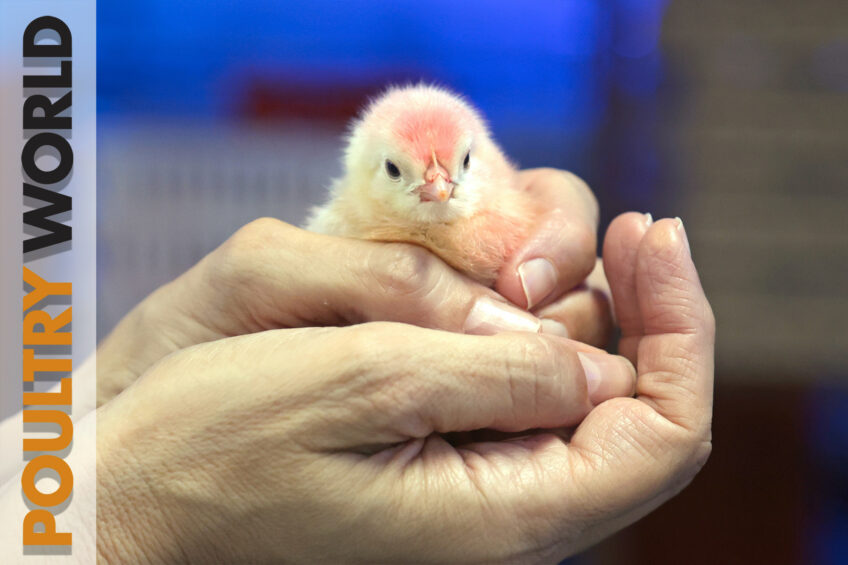
The latest edition of Poultry World is available online. This edition explores the mounting challenges in Japan’s poultry industry amid the spread of avian influenza and highlights innovative approaches such as welfare-friendly housing in Spain’s quail egg production. Under the spotlight is lighting preferences of broiler chicks, and Brazil’s adoption of technology to prevent male chick culling. This and much more.
Japan’s poultry industry braced for challenges
As Japan grapples with the relentless spread of avian influenza, its poultry industry is under mounting pressure to maintain production levels. The ongoing crisis is expected to accelerate consolidation within the sector.
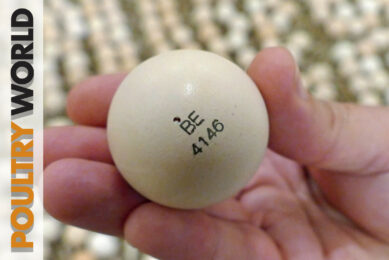
Smart solutions for adding value to quail eggs
In northeastern Spain, Félix Villagrasa runs one of the country’s largest quail egg operations. He is always on the lookout for new ways to add value to the quail eggs and is currently experimenting with welfare-friendly housing.

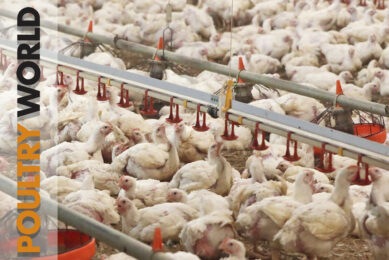
Lighting the way: What broilers really prefer
Broiler chicks prefer bright light while they are active and dim light while resting. A recent study reveals more about this interesting behaviour and shows how lighting can enhance welfare by supporting natural activity patterns.
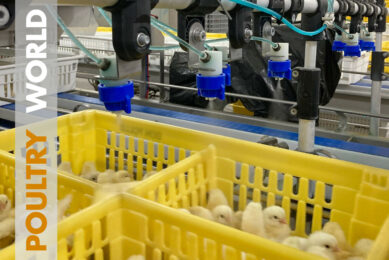
No more culling: Brazil’s egg industry breakthrough
A Brazilian farm has become the first in Latin America to adopt groundbreaking German-developed technology that prevents the culling of male chicks. The innovation marks a major step towards more ethical and sustainable egg production.

Interview: Understanding the value of supply chain resilience
What makes supply chain resilience so important, is resilience enough, and how is it increasingly significant in creating future-ready systems? We caught up with Corinne Bonadei, head of Precision Services, and Silvia Sonneveld, head of the Vitamins Unit at DSM-Firmenich Animal Nutrition & Health, to discuss this.
Time to reevaluate avian influenza trade restrictions
Highly pathogenic avian influenza can remain viable in raw frozen meat. This fact is at the core of trade restrictions based on the precautionary principle of halting the spread of the virus.
Fissures in global poultry markets, but trade remains strong
The global poultry market is expected to grow by nearly 3% this year, and this trend is set to continue into early 2026. Analysts at Rabobank expect a 2.8% rise, surpassing last year’s market growth of 2.6%.

Translating gut health science into on-farm solutions
In livestock production, maintaining strong gut health is vital to ensuring that animals are both able to resist challenges and to recover quickly. By leveraging data and taking a step-by-step approach, producers can set themselves up for success.
The power of uniformity
Uniformity in poultry flocks reflects health and efficiency. It is a quiet powerhouse supporting every phase, from rearing to processing. To ensure consistent performance, it must be built, monitored and continuously refined.