Breeding in Poultry World 7
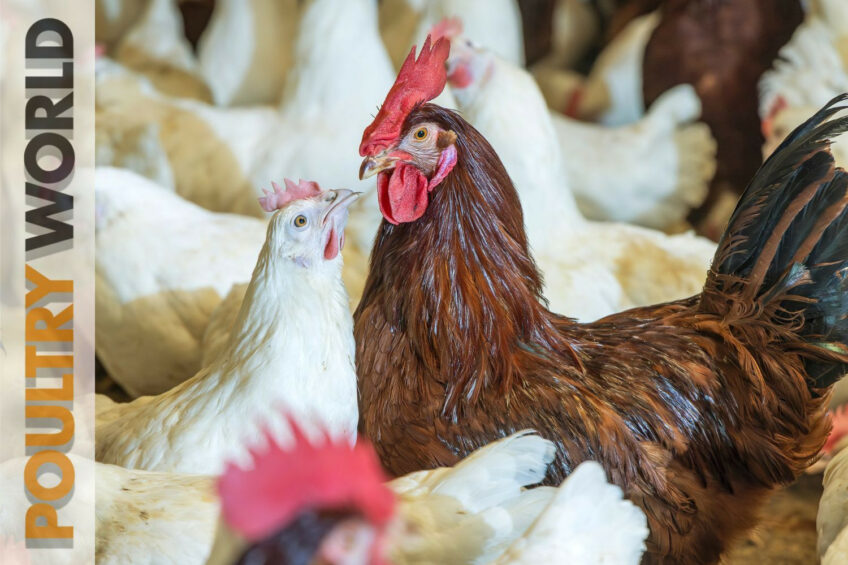
The latest edition of Poultry World is available online. This edition looks into the an on-farm broiler breeder study that concluded that having fewer males is more profitable. We also look at Ukraine as the country eyes new export opportunities and ask if regionalisation is a viable solution for trade disruptions. This and more in the latest edition.
Interview: “Speaking up for the people who are making our food”
Growing up in a rural community in the Netherlands, Anne-Marie Neeteson-van Nieuwenhoven’s strong interest in food production has been the main motivation for pursuing a career in the animal sector. “Speaking up for the people who are involved in making our food has kept me going all these years,” she says. Together with Poultry World, she looks back on her career shortly before her retirement.
Ukrainian poultry industry at a turning point
As hopes of signing a peace deal with Russia have essentially faded and the preferential trade regime with the EU expired, the Ukrainian poultry industry faces a grim reality. Farmers need to urgently find an alternative sales market for significant quantities of broiler meat and processed egg products in order to avert a looming oversupply crisis.
Nutrition’s role in chicken gut function
Understanding the intricate workings of a chicken’s gastrointestinal tract is crucial for optimising their health and productivity. This article explores each major segment of the gastrointestinal tract, from the mouth to the vent, highlighting the unique structural and functional characteristics of each section and discussing how various nutritional programmes impact these features.
Egg collection and quality in breeding ducks
Every step counts when it comes to producing ducklings, and egg collection is no exception. Much more than a simple collection, this is a crucial stage which has a direct influence on the quality of the eggs, their incubation and the quality of the ducklings marketed.

Optimising hen diets with split feeding
Conventional feeding systems for laying hens generally provide a complete diet with unrestricted feed access. However, this approach often leads to excessive intake of certain nutrients, such as calcium, which is essential for eggshell formation. Split feeding addresses this by offering different feed types at specific times of the day, aligning the diet with the hen’s changing metabolic requirements. In a recent study, researchers explored the benefits of split feeding on growth performance, egg production and quality, nutrient digestibility and reduction of gas emissions.
Having fewer males is more profitable
A lower percentage of males improves mating behaviour and feather cover, with similar reproduction results and higher profitability. This is the conclusion of an on-farm broiler breeder study performed by Wageningen Livestock Research.
Regionalisation: A viable solution for trade disruptions
The global pandemic of highly pathogenic avian inuenza (HPAI) continues to disrupt supply chains and international markets in a crisis that may persist for years. In this article we consider regionalisation as a viable path to safeguard the global poultry trade.
Column: The drug that changes everything
GLP-1 inhibitors such as Ozempic, which reduce appetite and cut calorie intake by 20% (approx. 800 kilocalories daily), are transforming global eating habits. This poses a significant challenge to the livestock feed and additives industry, says Aidan Connolly, president of AgriTech Capital LLC.