Embracing innovations in Poultry World 6
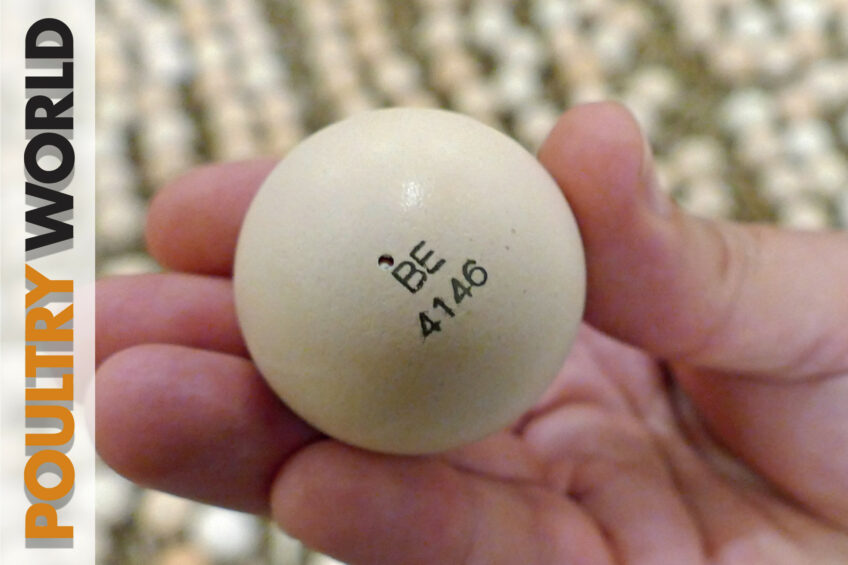
The latest edition of Poultry World is available online. In this edition we visit a young broiler farmer in Belgium who is embracing the combination of on-farm hatching and in-ovo vaccination. We consider how China’s poultry sector is facing a serious over-supply crisis, and speak to Global Food Partners CEO who is driving the initiative to match the supply and demand of cage-free eggs in Asia. This and more in the latest online edition.
China’s poultry industry heading for an era of low profits
Following years of robust output growth, China’s poultry industry now faces a serious oversupply crisis. The foreseeable future promises to be turbulent, particularly in the context of the uncertainty of a trade war with the US and escalating trade tensions with the EU. Against this background, the issue of self-sufficiency in poultry genetics becomes increasingly important.
‘Matching supply and demand for cage-free eggs’ – an interview
Dozens of food retail and hospitality companies in Asia made commitments to source cage-free eggs 5 years ago. Now, the deadline looms. Singapore-based Global Food Partners CEO Elissa Lane drives the initiative to match the supply and demand of cage-free eggs with the help of a cage-free credit system.
Embracing the combination of on-farm hatching and in-ovo vaccination
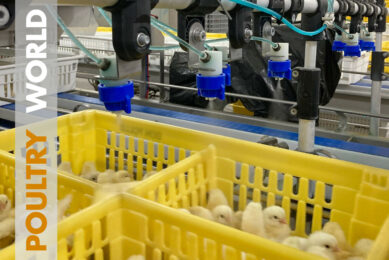
Both in-ovo vaccination and on-farm hatching are attracting significant interest. These innovative techniques are increasingly being applied in the broiler sector. Poultry World visited a young broiler farmer in Belgium who has been using both methods on his farm for the past 18 months and interviewed him about his motivation and experience.

EW Nutrition CEO discusses the 2050 global outlook for poultry – an interview
The poultry sector faces immense challenges in meeting global demand by 2050. Poultry World spoke to industry expert Jan Vanbrabant, CEO of EW Nutrition, to uncover what the company is doing to meet this demand and ensure sustainable protein production.
Arginine-sparing effects of GAA
This article reviews the arginine-sparing effects of guanidinoacetic acid (GAA) in broiler nutrition, comparing its effectiveness to L-arginine and clarifying its potential economic benefits in poultry feed.
Insect products as health promoter in poultry and pig feed
Microbial infections and heat stress harm animal health. While veterinary antimicrobials treat infections, they risk antimicrobial resistance. Insect products offer a promising alternative to boost animal health and immunity.

Darkness doesn’t hinder broiler chick growth
Lighting programmes for broilers have traditionally employed continuous or near-continuous photoperiods through the first week of life to ensure chicks can successfully navigate the rearing environment for feed and water. However, in a recent study, researchers have found that broiler chicks can be provided with up to 4 hours of darkness per day without negative consequences on growth performance.
Column: Simple solutions with great impact
“One of the pleasant perks of my work as a researcher at Wageningen Livestock Research is that I am regularly invited to share my knowledge on parent stock in other countries. For instance, in March I was in South Africa at the invitation of a major broiler integration – Astral Foods,” shares Rick van Emous in this interesting column.