Exploring Africa’s poultry powerhouses – a spotlight on Kenya
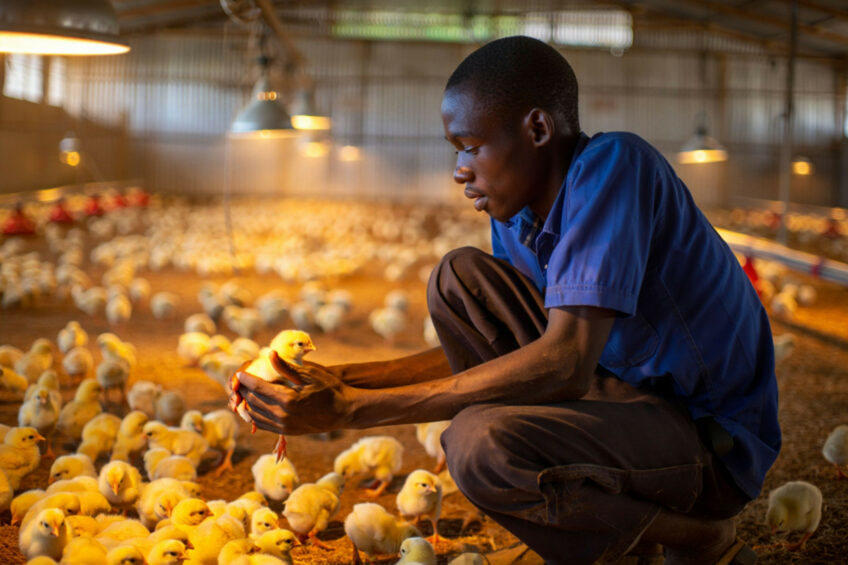
In this 4th article in this series, Sebastiane Ebatamehi from The African Exponent gives a comprehensive overview of the country in 7th position in the top 10 poultry producing countries in Africa in 2025: Kenya.
Kenya has become one of Africa’s leading players in poultry meat preparations and egg production. According to IndexBox’s 2024 market report, Kenya produced about 182,000 mt of poultry meat preparations in 2024, placing it among the top 3 producers in this product category along with Egypt and South Africa.
Growing broiler meat and egg production
While data for raw poultry meat (broilers) is modest – Kenya produced around 110,000 mt in 2022, showing a 23.5% rise from the previous year – analysts forecast gradual growth to reach around 148,000 mt by 2028 as infrastructure, breed improvements, and processing capacity catch up.
Egg production also remains a strong pillar of the sector. Kenya produced about 1.8 billion eggs annually as of 2023, up from approximately 1.6 billion in 2019.
Feed prices put poultry under pressure
However, Kenya’s poultry sector is under pressure. Feed prices have surged by at least 37% over the past 4 years, making poultry feed nearly double in cost compared to countries like South Africa and Brazil.
A 90-kg bag of maize, a key feed ingredient, now costs around KES 4,800 (almost €32, or just over US$37), and projections suggest it may hit KES 5,500 (over €36, or over US$42) in some markets. These input costs are driving some small-scale producers out of business, and contributing to inflation in poultry and egg prices for consumers.
Investments in the sector continue
But, there is optimism in the sector. Rising demand for poultry meat and eggs from urban populations and the growth of fast food and retail outlets are driving policy and local initiatives aimed at boosting the sector’s growth. Some local counties are investing in poultry and egg production projects, including support for indigenous chicken breeds, hatcheries, veterinary services, and incubators.
In Nakuru, for example, poultry development programmes involving 3,000 groups (including women, youth, and persons with disabilities) produced more than 67 million eggs annually and generated over US$6.6 million in sales. Meanwhile, a MoU with the World Bank aims to more than double the number of birds raised in certain programmes, and to raise self-sufficiency in chicken meat and eggs by 20-30%.
Path to self-sufficiency
Kenya’s high Compound Annual Growth Rate (CAGR) in meat preparations of poultry, around +10.9% between 2013-2024, underscores how quickly this segment is expanding. If Kenya can stabilise feed costs and continue to grow capacity and efficiency, it could not only satisfy more domestic demand but also increase its share in regional trade.
In the next article we zoom in on Tunisia.