Angola’s poultry sector anticipates steady growth in 2026
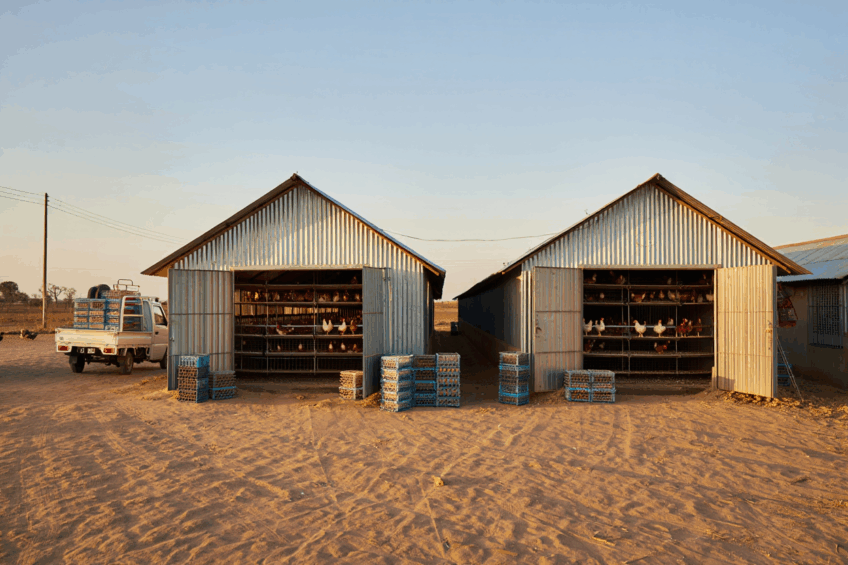
For years, Angola depended heavily on frozen chicken imports from the US, Brazil, and the EU to meet domestic demand. Now, foreign exchange limits, high logistics costs, and efforts to save hard currency have spurred local investments.
Angola’s chicken meat sector shows steady progress in 2026, driven by rising domestic production and stable demand. Poultry farming plays a key role in Angola’s food security, and 2026 production is expected to increase 9% to 60,000 mt, while consumption rises 5%.
Challenges persist, including poor infrastructure, scarce feed, and bans on genetically engineered (GE) imports due to no national biosafety law. Angola imports costly non-GE grains and oilseeds from afar, raising expenses for small rural farms and operations reliant on spent hens.
Long-term, growing output could reduce imports and open doors to regional exports.
Consumption rises with economic relief
As noted, consumption in Angola has risen 5%, fueled by population growth and better purchasing power. It is interesting to note that Angola’s minimum wage increased from 70,000 to 100,000 kwanzas (US$77 to US$110) in September 2025, while inflation dropped from 31% in August 2024 to 19% by July 2025, thanks to tight monetary policy and stable currency.
These factors boost purchasing power, especially for informal workers who make up most of the population. Angolans tend to favour US chicken leg quarters, which dominate imports.
Imports edge up, exports absent
Imports are set to grow modestly by 4% to 270,000 mt, up from 260,000 mt in 2025, as currency pressures ease.
Imports hit over 258,000 mt in 2024 and forecast 270,000 mt in 2026. Easing forex access and steady demand support this, though trade financing limits surges. Supplier dynamics have shifted notably: Brazil has increased its 2025 exports by 29% year-over-year, strengthening its market share, while US exports dropped 25%.
Angola exports no poultry due to unmet domestic needs but aims to build capacity for future sales.
Source: USDA GAINS report, FAS Luanda