Earthworms show potential to replace antibiotics in broiler feed
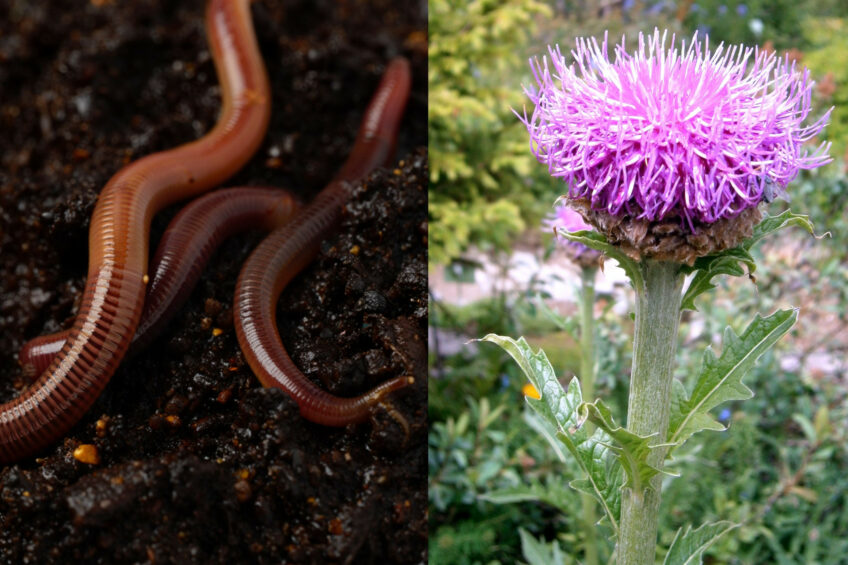
A mix of rainworm meal and Leuzea carthamoides, a perennial plant also known as maral root, has shown promising results in boosting the efficiency of broiler feeding, according to a study by a group of researchers from the Perm National Research Polytechnic University, Russia.
Russian poultry farmers are seeking an antibiotic alternative as a new law came into force in 2025, prohibiting the use of antibiotics without a veterinary prescription or special permission, the scientists said. However, all existing antibiotic alternatives have a somewhat narrow spectrum of activity, the scientists noted.
“For example, probiotics only affect the intestinal microflora, enzymes improve feed digestibility but have no effect on immunity, and organic acids only suppress individual bacteria without addressing the problem of systemic stress and the weakened immune response of chickens,” the scientists stated.
The scientists developed a feed additive combining Leuzea carthamoides, known for boosting poultry health, and earthworm meal in a 1:5 ratio.
A field trial discovers benefits
A large-scale trial at a poultry farm demonstrated that the additive not only replaces antibiotics but also stimulates poultry growth, benefiting industry productivity.
“We divided the birds into 2 equal groups: one received standard feed, and the other received the same feed supplemented with 10 g of the new formulation during the critical growth week from day 8 to day 14 of life. Throughout the fattening period until day 38, we weighed the chicks daily, calculated feed consumption, and monitored the health of the flock,” said Ksenia Malysheva, senior laboratory assistant at the university.
By the end of fattening, the broilers receiving the additive weighed 2,309 g, 138 g more than those in the control group. However, the main achievement was recorded in product properties. In particular, the protein content in the breast muscles increased from 22.43% to 23.46%, and in the thigh muscles from 19.98% to 22.23%, making the fillet significantly more nutritious for consumers.
“Thanks to this increased protein content, the meat becomes more nutritious, promotes tissue regeneration, and provides the body with essential amino acids,” the researchers said.
At the same time, the weight of the most valuable part – the pectoral muscles – increased by 14.1%, and the amount of net product that can be obtained from one bird increased from 68.4% to 72%.
Improving profitability
As a result of these changes, the researchers calculated that the overall business profitability would jump by 33%.
“In terms of actual production, this means that for every thousand chickens raised, the poultry farm was able to obtain an additional 64.5 kg of pure breast meat. For a large enterprise raising millions of broilers annually, this provides tens of tonnes of additional high-quality product without increasing feed costs,” explained Sergei Solodnikov, a member of the Russian Academy of Sciences.
Join 31,000+ subscribers
Subscribe to our newsletter to stay updated about all the need-to-know content in the poultry sector, three times a week.