Study tests One Welfare framework for extensive broiler production
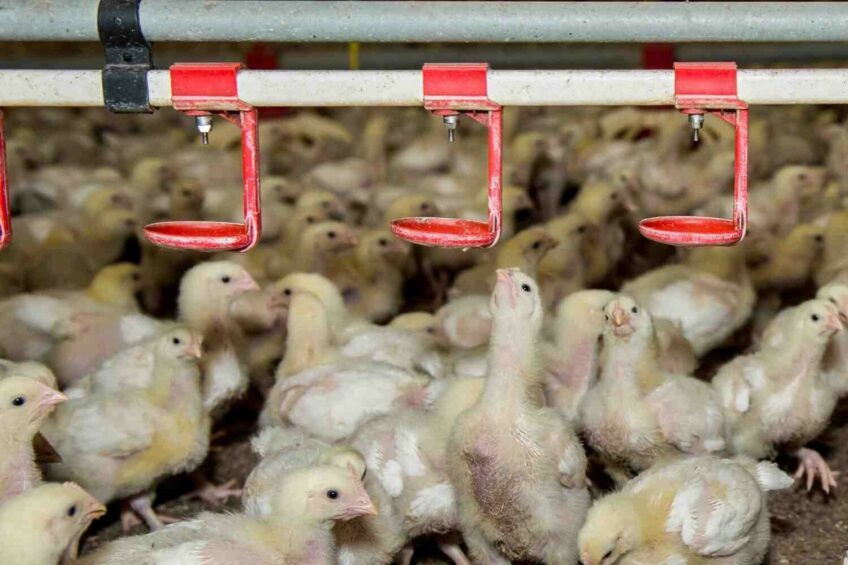
The One Welfare concept challenges the traditional separation of human well-being, environmental sustainability, and animal welfare by emphasising their interdependence. However, its practical use as an evaluation framework remains limited, which prompted a study to develop and test an operational One Welfare approach for extensive broiler rearing systems.
Although extensive broiler rearing systems constitute a minor share of EU broiler output (about 5%), interest in and adoption of such systems have grown markedly over the past 2 decades, underscoring the need for assessment tools that capture their broader contributions.
Conventional evaluation methodologies, designed around intensive systems, tend to prioritise yield, short-term efficiency, and market indicators, and may therefore underrepresent the ecological, social, and welfare advantages achievable in diversified, outdoor systems.
The scientists implemented a multicriteria decision analysis (MCDA) using the One Welfare Approach to synthesise indicators across the animal welfare, environmental, economic, and social pillars in a broiler case study.
The framework proved feasible despite data constraints (limited availability and some invariant parameters typical of extensive broiler rearing systems), and its outputs aligned with published evidence on slow-growing genotypes in outdoor systems, supporting construct validity.
Taken together, these findings indicate that the One Welfare assessment can capture trade-offs and synergies that conventional metrics overlook, offering actionable guidance for extensive organic broiler systems. The approach is compatible with prevailing outcome-based welfare assessment practice.
It can be simplified into a transparent index for on-farm self-assessment and external communication, provided that its governance and evidence base meet current best practice expectations.
The study was led by researchers from the University of Perugia, Italy. The report can be found here.
Join 31,000+ subscribers
Subscribe to our newsletter to stay updated about all the need-to-know content in the poultry sector, three times a week.