Report: Poultry and pig sectors harming UK wildlife
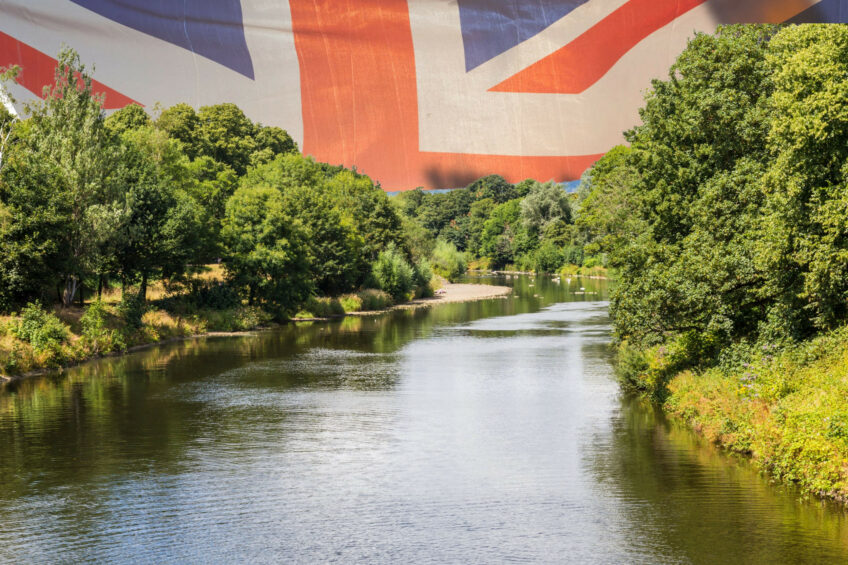
Intensive poultry and pig production in the UK is increasingly affecting water quality and pollution levels in Britain’s countryside.
An independent report, ‘Quantifying the environmental risks from pig and poultry production in the UK’, commissioned by The Wildlife Trust, found that the scale of intensive production, often concentrated into “hotspot” areas, was huge, and that current legislation was often insufficient to manage the potential impacts of production.
Waste, feed, fertilisers and pesticide
Waste from pig and poultry production is about 10.4 million cubic metres per year in the UK, equivalent to 4,160 Olympic-sized swimming pools. The high level of nutrients found in the excreta makes it hard to use this waste sustainably.
More than a third of the UK’s total wheat crop is grown for pig and poultry consumption and the fertiliser and pesticide use associated with producing a high output crop risks more pollution and greater pressure on UK wildlife.
Concentrated industries in the UK
The report, produced by consultant Cumulus, revealed that more than half of England’s poultry are located in just 10 council areas while the majority of UK pig production is even more concentrated – located in just 5 local authorities. Such intensive production places a significant risk of large levels of highly concentrated waste accumulating in rivers and the environment.
Poultry sector
Of the 2,485 specialist poultry holdings in England, 19% were in the Eastern region, 14% were in the East Midlands and 14% in the West Midlands, 19% were in the South West and 12% were in Yorkshire and Humberside. In Wales, 55.8% of the total layer and broiler flock is located in Powys, which is a region that has seen a dramatic increase in poultry numbers from just over 1 million in 2007 to around 5 million in 2020.
Pig sector
Pig units are located throughout the UK, but are often highly geographically concentrated. For example, of the 1,772 registered specialist pig holdings in England, 30% were in Yorkshire and Humberside, 26% were in the Eastern region, and 14% were in the South West. 15% of England’s breeding pig population is located in just one council area – North Yorkshire County Council. In Northern Ireland, just 2 District Councils contain 66% of the pig breeding herd and 69% of the fattening herd.
Water and wildlife
If left unabated, such high levels of nitrogen and phosphorous has a negative impact on both water quality and wildlife.
Barnaby Coupe, senior land use policy manager at The Wildlife Trusts said the research had for the first time looked at wider risk across the whole UK sector, including the vast land take for feed production rather than just focussing on the immediate risks of slurry pollution.
“It’s clear that the significant impacts of pig and poultry production in the UK extend well beyond the intensive farming units themselves and should leave us in no doubt that further action is needed to address the risks of environmental harms,” said Coupe.
“A requirement for nutrient management action plans and reformed permitting regimes can help address these issues, but crucially there must be support from both the government and the industry, so farmers are not landed with the burden of fixing this broken system. Farmers are facing enormous challenges right now and need support if they are to maximise benefits for the environment, particularly for water quality and biodiversity,” he added.
What about pesticides and fertilisers?
In revealing that more than half a million hectares of land is used to grow the feedstocks required for pigs and poultry in the UK, the report identifies another harmful environmental impact. These feedstocks are often grown using a cocktail of chemicals – pesticides and fertilisers – and intensive practices which damage soils and expose rivers and waterways to pollutants whilst also posing risks to pollinators and other wildlife.
The future of farming in England
Coupe added: “The government is currently working up a suite of significant policies which will impact the future of farming in England, including the Land Use Framework, revised Environment Improvement Plan, Farming Roadmap, and a Water Reform Bill. It’s critical that these policies recognise the true scale of this industry’s impact on the nation’s environmental resilience.”
The findings of this report, according to Coupe, show that solutions must be found by the supply chain and by the government “in order to support farmers to transition to a less polluting and more integrated pig and poultry system which in turn helps to clean up our rivers and meet our legally binding nature recovery and climate targets”.
The report’s findings were welcomed by the pressure group River Action. Chief executive James Wallace said it provided valuable material that could support the transition to river-friendly farming for campaigners battling intensive livestock pollution along the Rivers Wye, Severn and Kennet.
“The government must listen to this evidence and act now by offering farmer’s carrots – incentives such as slurry grants and payments for river buffer schemes – and where necessary, sticks.”
He noted: “The Farming Rules for Water has yet to be used to disincentivise factory farm pollution. It is not an option for the government to enforce the law. Farmers must not only be given advice and funding, but they must also be helped to comply with environmental laws. Nutrients from intensive farming practices are overwhelming our freshwater ecosystems and pushing them beyond breaking point. Our rivers cannot continue to suffer while regulations are treated as optional.”
Farming sector anger
But the British Poultry Council rejected the report’s findings. Chief executive Richard Griffiths said the accusations were disingenuous: “They show a lack of understanding of how we feed the nation, from an organisation that would see the country go hungry for its ideology. The impact on wildlife and the environment are crucial considerations in all our activities; they are supported by science and regulated by government experts. This include the use of manure, the majority of which is used in power generation and the remainder as a valuable fertiliser for farmland.”
And the National Pig Association chief executive Lizzie Wilson also rebutted the claims: “The pig sector is, by way of various environmental legislation, including environmental, permitting one of the most highly regulated sectors within agriculture,” she said.
Along with the poultry sector, she said the pig sector was responsible for just 2 pollution incidents last year, out of a total of 77 throughout the whole of agriculture.
While grain was a significant component of pig feed, Wilson said the sector also used more than 1 million tonnes annually of by-products and co-products from the human food supply chain, which constituted about 44% of the total ration fed.