UK poultry farmers relieved at lifting of housing order
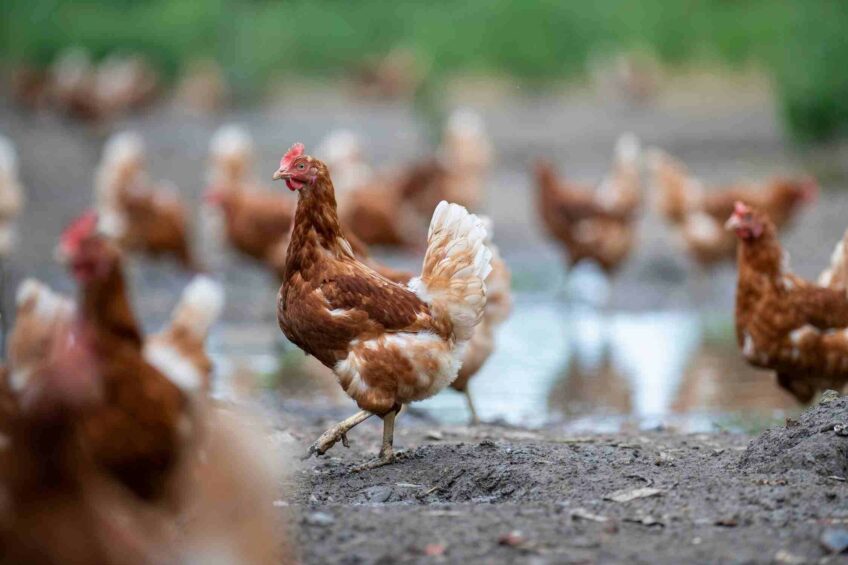
Poultry farmers have spoken of their relief following the decision by the UK’s Department for Environment, Food and Rural Affairs to lift housing restrictions for free-range and organic poultry in England and Wales.
The move, which came into force on 9 April, means that producers can now move flocks of more than 50 outside – the first time since November due to avian influenza.
It comes as Defra said the latest risk assessment, epidemiological and scientific evidence showed bird flu risk levels in wild birds and poultry had reduced, although avian influenza prevention zone mandatory biosecurity measures will remain in place until the wild bird risk falls further.
Roaming outdoors again
Peter Jarvis, who farms in Withington, Shropshire, in the West Midlands, said his birds had taken a while to get used to being outdoors again, adding that it was fantastic to see them roaming once more. “The sooner we can get a vaccine and we can keep them out all year round the better,” he told local media.
Lucy Anderson, farm assessor for RSPCA Assured, said it was positive to see housing measures lifted. “For many farmers, this will bring a real sense of relief. Planning ahead is essential. A gradual and considered approach will help ensure birds remain healthy and settled as they return to the range.”
Anderson added: “For some flocks, particularly younger laying hens, this may be their first experience outdoors. A sudden change in environment can be unsettling, so it is important to introduce access in a way that supports their welfare,” she added.
Easing birds into a new environment
Steps to minimise any fear and stress could include:
- Providing additional areas to dustbathe on the range
- Created windbreaks for any exposed areas
- Ensure any wet area of land or standing water are fenced off
- Provide plenty of natural cover and enrichments close to the popholes to help encourage the birds to go outside.
Bird keepers are also being advised to prepare outside areas in advance by cleaning and disinfecting hard surfaces, fencing off ponds and standing water, removing grazing livestock and reintroducing wild bird deterrents.
Deputy UK chief veterinary officer Jorge Martin-Almagro said: “Although the risk to poultry has reduced, there remains a risk that poultry and other captive birds can still contract bird flu. I urge keepers to take steps to prepare outdoor areas before letting birds out. It is still essential that bird keepers remain vigilant and implement rigorous and strict biosecurity.”
Remain vigilant
NFU Poultry board chair Will Raw said that while it is a huge relief that the risk of disease incursion has been reduced, it is important to note that the risk has not completely gone away. “The AIPZ with mandatory biosecurity measures for all bird keepers is still in place and keepers in Protection Zones or Captive Bird Monitoring Zones will need to continue to house their birds.”
Raw added: “Poultry producers will continue to do all they can to protect the health and welfare of their flocks, and we urge everyone who keeps birds, regardless of the number of birds they keep, to remain vigilant and maintain stringent biosecurity measures.”
Join 31,000+ subscribers
Subscribe to our newsletter to stay updated about all the need-to-know content in the poultry sector, three times a week.