Malawi launches initiative to transform local poultry industry
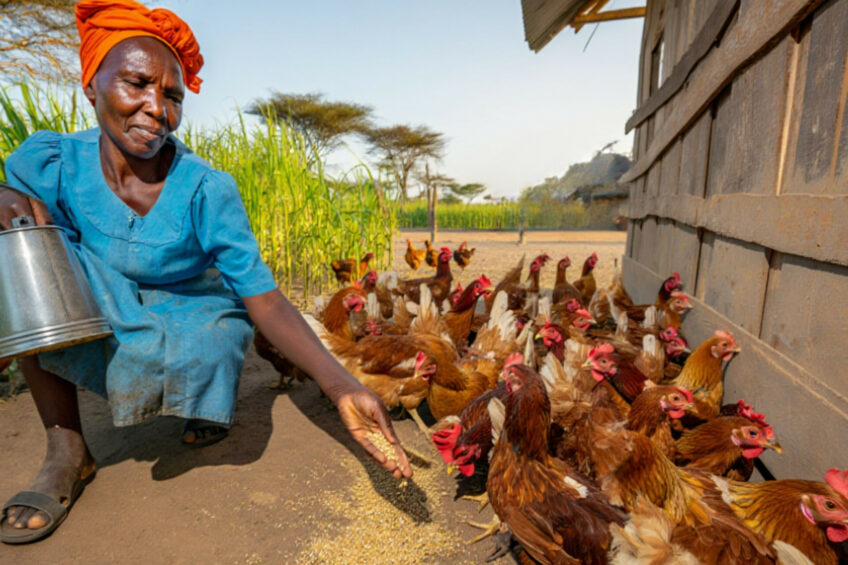
Malawi has launched an ambitious plan to transform its poultry industry into a key driver for nutrition, job creation, economic growth, and export earnings.
This strategic initiative was unveiled at the National Poultry Delivery Lab held in Lilongwe earlier this month, organised by Malawi’s Ministry of Agriculture in collaboration with the Alliance for a Green Revolution in Africa (AGRA) and the Poultry Industry Association of Malawi (PIAM).
The goal of the meeting was to craft a practical policy roadmap for the development of the sector, with measurable outcomes and scalable investments.
The Delivery Lab, as described by Dr Julius Chulu, director of Animal Health and Livestock Development at the Ministry of Agriculture, Irrigation and Water Development, serves as a platform dedicated to delivering tangible results.
Malawi’s poultry sector, long seen as a gateway for agricultural industrialisation, holds vast untapped potential, and demand for this protein continues to rise. “Our people want chicken. They value chicken. And when they can afford it, they buy chicken,” he said.
Poultry pathway
Current studies estimate the average Malawian consumes about 3.16 kgs of chicken annually. The poultry sector’s output in 2024 is estimated at around 83,000 tonnes with a projected pathway to roughly 130,000 tonnes by 2030, with the right policy support and investments in place.
It is reported by Nyasa Times that this could potentially lift close to half a million Malawians out of poverty by integrating more deeply into value chains centered on maize, soybean, and feed production.
A focus on feed
The cost of feed has been identified as one of the primary barriers to growth of the local poultry sector. Feed price volatility stems from maize and soybean market problems, taxation, and logistics. The Delivery Lab is therefore prioritising reforms that will stabilise and reduce feed costs to make local poultry viable at scale.
“A Malawian consumer must spend 3.51% of their per capita GDP to buy just 10 kgs of chicken. In South Africa, that figure is 0.24%. This disparity is unacceptable,” Chulu noted.
Missed trade opportunities
Chulu also pointed to missed export opportunities, noting that Mozambique imports over 30,000 tonnes of poultry annually, mostly from South Africa and South America — yet Malawi, despite its proximity and logistical advantages, has not captured that market.
Policy conversations at the Lab included reviewing taxes on soybean cake, looking at farm gate pricing, and designing export-friendly measures. These specific levers are important because they go straight to producers’ margins and regional competitiveness.
Goals
Short term, Malawi aims to see more affordable feed rations, functioning cold chains, and clearer export procedures. Thereafter, the country should experience higher flock productivity, lower retail prices, and stronger linkages between smallholders and processors. Long term, Malawi could become a regional supplier into nearby markets.