Irish poultry exports up 18% in 2025
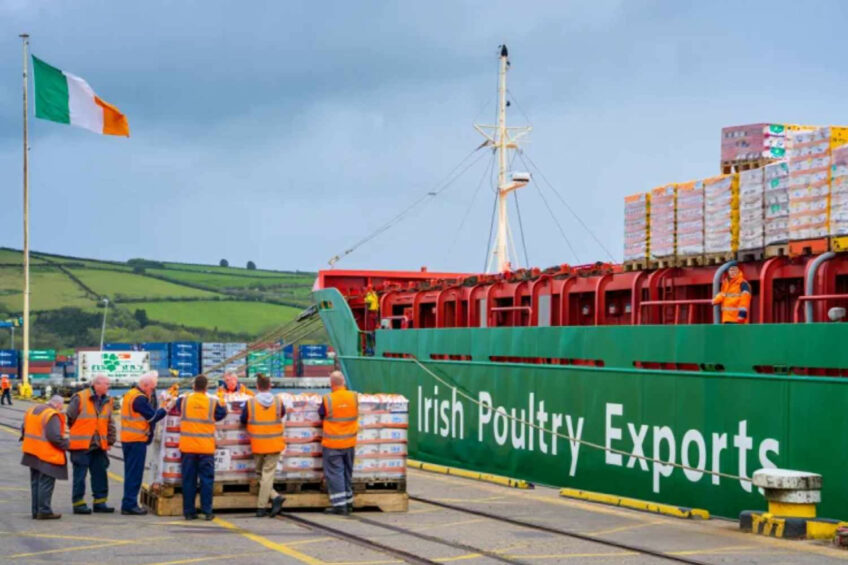
Irish poultry exports recovered well in 2025, increasing by 18% to an estimated €165 million. Exports of eggs, which represent a small share of the category, also recorded strong growth during the year, the annual report of Bord Bia, the Irish Food Board, shows.
Irish poultry production grew by 6% in 2025, with throughput at export meat plants reaching 120 million birds. As in previous years, chickens (broilers and hens) accounted for the majority of birds processed (96%), with ducks and turkeys making up the remainder.
Ireland’s local market
The domestic market remains crucial for the Irish poultry industry, according to Bord Bia, noting that the category continued to benefit from strong engagement from Irish shoppers.
Bird Bia added: “High beef prices amplified this trend as the year progressed, with price-sensitive consumers switching to chicken as a more affordable alternative.”
Poultry product exports
Ireland’s exports of primary poultry products to the UK increased by 20% to €105 million. Exports to the EU recovered by 12% to €35 million. Growth was uneven across EU markets, with gains in Denmark, France, Spain, and Germany offset by declines to the Netherlands.
International markets also recorded strong performance, reaching €25 million. Trade with Africa continued its upward trajectory, climbing to €18 million, supported by consistent demand from South Africa and Ghana.
Further growth expected
If, as it seems likely, price levels continue to remain elevated and highly pathogenic avian influenza outbreaks are limited, EU poultry production should see further, measured growth in 2026. Growth will be driven by continued consumer preference for poultry as a versatile, cost effective protein, coupled with consistent lower feed costs.
However, the sector will continue to face constraints from supply chain risks, particularly hatching egg shortages and disease related (avian influenza) trade restrictions, Bord Bia concludes.