Exploring Africa’s poultry powerhouses – a spotlight on Nigeria
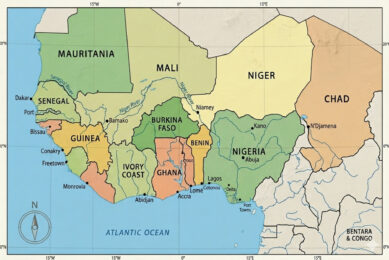
In this 7th article in this series, Sebastiane Ebatamehi from The African Exponent gives a comprehensive overview of the country in 6th position in the top 10 poultry producing countries in Africa in 2025: Nigeria.
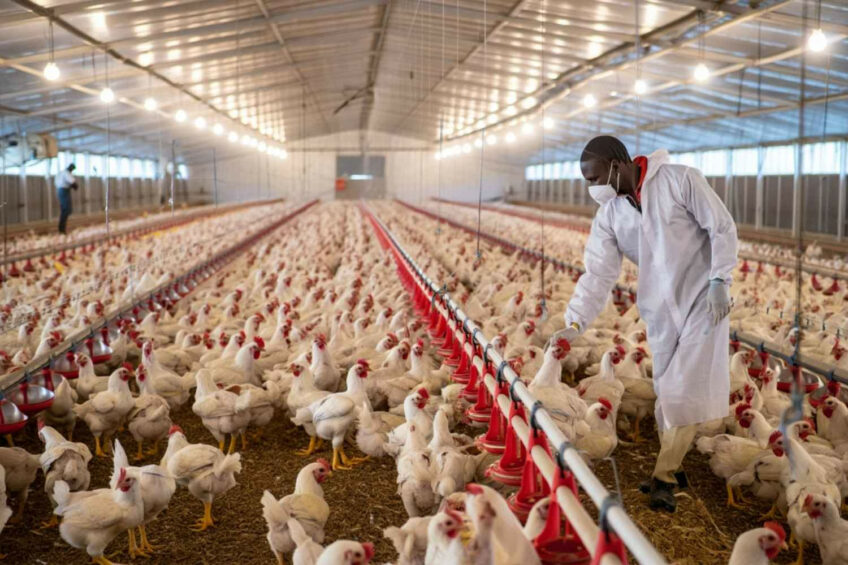
Nigeria remains one of Africa’s poultry powerhouses, and according to the Poultry Association of Nigeria (PAN), the country produces about 1.5 million mt of chicken meat annually, with a poultry bird population of roughly 180 million birds.
The country’s poultry sector also produces some 15.8 billion eggs per year, has an annual turnover of US$3.2‑4 billion, and contributes about 25% of Nigeria’s agricultural GDP.
Smuggling a million tonnes of chicken
However, despite its scale and importance, Nigeria’s poultry industry faces a significant supply-demand gap. While Nigeria reportedly consumes about 1.5 million mt of chicken meat per year, it produces around 454,000 mt, which meets less than one third of demand.
To compensate, large volumes of poultry meat – both imported and smuggled – enter the market every year. According to the Feed Practitioners Association of Nigeria, nearly 1 million mt of chicken are smuggled into Nigeria annually. The association’s president, Dr Ayoola Oduntan, noted that poultry meat remains the most smuggled and imported meat in Nigeria.
Closing the supply-demand gap
Key challenges undermining Nigeria’s ability to close this gap centre around feed input costs, currency instability, disease management, and regulatory bottlenecks. Feed ingredients like maize and soybeans are major cost drivers; Nigeria produces only part of its needs locally and imports the rest, exposing producers to global price swings and exchange rate risk.
Additionally, outbreaks of avian influenza and weak infrastructure (cold chain, processing, transport) increase mortality, spoilage, and operating losses.
The broader implications of Nigeria’s poultry situation are significant for both national food security and Africa’s agribusiness sector. With Nigeria’s population surpassing 230 million and rising incomes and urbanisation, demand for affordable protein is forecast to grow sharply.
Closing the production gap would not only improve nutrition and reduce dependence on imports but also retain value within the economy, more jobs, more local processing, and more exports.
In the next article we zoom in on Morocco.