Exploring Africa’s poultry powerhouses – a spotlight on Morocco
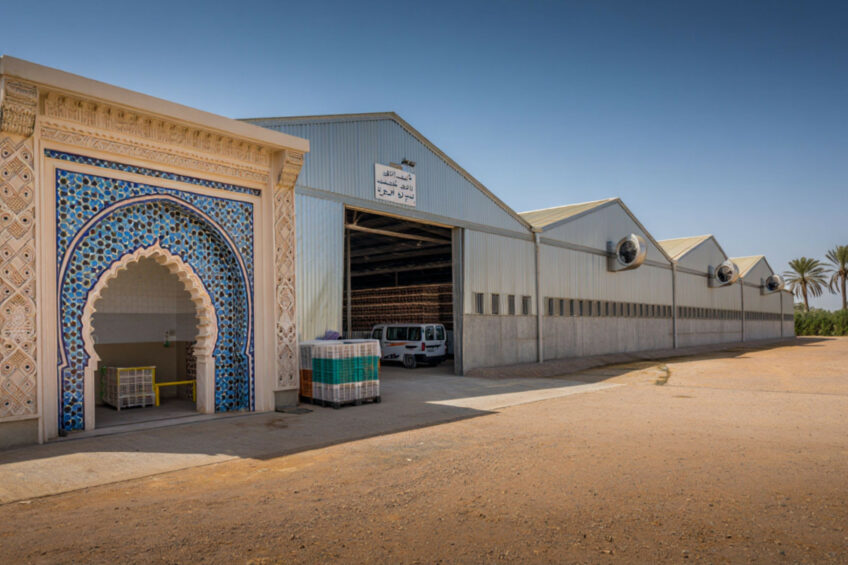
In this 8th article in this series, Sebastiane Ebatamehi from The African Exponent gives a comprehensive overview of the country in 3rd position in the top 10 poultry producing countries in Africa in 2025: Morocco.
Morocco achieved roughly 653,000 mt of poultry meat production in 2024, making it the third-largest producer after Egypt and South Africa. According to IndexBox, Egypt, South Africa, and Morocco collectively accounted for about 64% of the total poultry meat output for Africa in 2024, underscoring Morocco’s critical role.
Morocco’s broiler chick production is also rising: the Interprofessional Federation of the Poultry Sector (FISA) reported production of 486 million broiler chicks in 2024, up from previous years, alongside 15.1 million locally produced turkey chicks.
Over 20kg per capita consumption, and rising
Domestic demand in Morocco is steadily rising as well. Per capita poultry meat consumption reached about 20.9 kg per person in 2024, up from 20.6 kg in 2023. Egg consumption followed a similar upward trend: 171 eggs per person in 2024 compared to 169 the year before.
Analysts have tied recent growth in consumer demand to improved cold chain logistics and expansions in slaughterhouse and feed capacity under Morocco’s industrial poultry contracts.
Volatile cost of feed
However, Morocco’s poultry industry faced several headwinds in 2025. A major issue remains the volatility in feed costs: feed inputs, such as corn, soybeans, and other grains, make up to 60-70% of production costs, and Morocco remains heavily reliant on imports for many of these inputs.
Recent droughts, among the worst in decades, have reduced local cereal yields, driving up imports and exposing producers to foreign exchange risks. Add to that seasonal heatwaves increasing mortality rates in flocks and pushing costs higher, and fluctuation in supply of day-old chicks for poultry and breeders.
Half a million employed in the poultry sector
From a policy and economic impact perspective, Morocco’s poultry sector is both a major job creator and a key piece of food security. The industry is estimated to employ approximately 500,000 people (including both direct and indirect jobs), and it generates annual revenues of up to MAD 45 billion (almost US$5 billion) according to recent government reports.
Exports of day-old broilers double
Also, exports of day-old broiler chicks more than doubled from roughly 770,000 units to 1.735 million units in 2024, demonstrating Morocco’s growing participation in regional trade.
Experts argue that if Morocco can strengthen its feed self-sufficiency, bolster biosecurity and manage environmental risks (like drought and heat stress), it might not only increase output, but also become a regional hub for poultry exports.
In the next article we zoom in on South Africa.