Exploring Africa’s poultry powerhouses – a spotlight on Algeria
In this 6th article in this series, Sebastiane Ebatamehi from The African Exponent gives a comprehensive overview of the country in 5th position in the top 10 poultry producing countries in Africa in 2025: Algeria.
Algeria sits firmly among Africa’s mid-tier poultry producers. While its total output remains significantly below the likes of Egypt, South Africa, and Morocco, its market has been gradually expanding.
It is reported that in 2022, poultry production in Algeria stood close to 275,000 mt, having increased slowly at an average annual rate of about +1.1% between 2017 and 2022. Sector analysts anticipate a modest upward trend in figures for 2024/2025.
Record import for feed
One of Algeria’s chief poultry sector challenges is feed input. In the 2024/2025 season, the country forecast to import a record 5 million tonnes of corn, mainly to supply its poultry, beef, and dairy industries. This marks an increase over prior years’ averages (about 4 million tonnes).
Algeria does, however, look to expand domestic corn cultivation, with the government aiming to bring more hectares under grain corn by 2028.
Egg oversupply
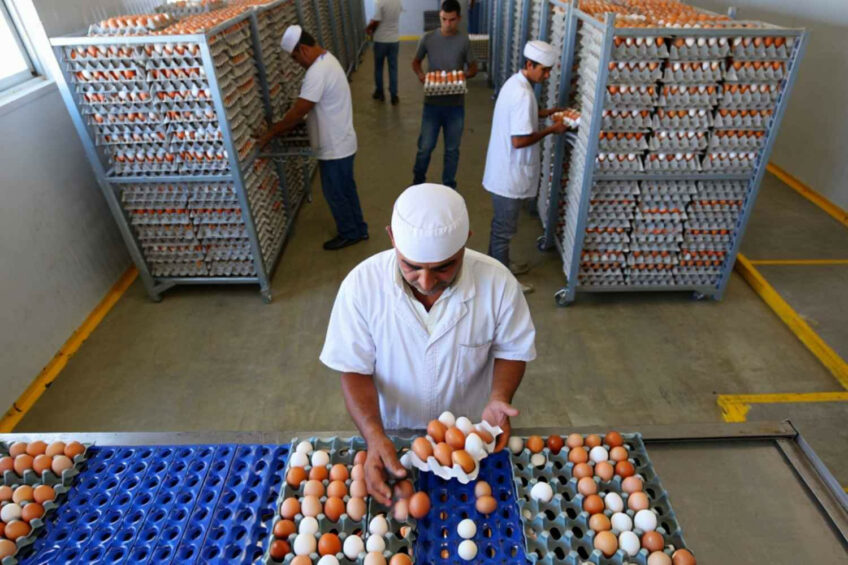
Domestic consumption of poultry products in Algeria is growing, albeit from lower per-capita baselines compared to leading countries. In the egg sector, it is estimated that national production reached about 10 billion eggs per year in 2025, versus domestic demand closer to 6-7 billion, producing a notable oversupply. The government’s response has been to re-authorise egg exports.
In terms of poultry meat, authorities seek to cut down reliance on frozen poultry imports and lower supply instability. Authorised imports of breeding hens and hatching eggs from Spain (to address poultry strain shortages) also reflect attempts to balance internal capacity constraints with urgent market needs.
Algeria’s poultry sector is making moves to become more competitive in North Africa, which would contribute toward reducing Africa’s overall import bill of poultry products.
In the next article we zoom in on Nigeria.