EU endorsement of Mercosur deal criticised
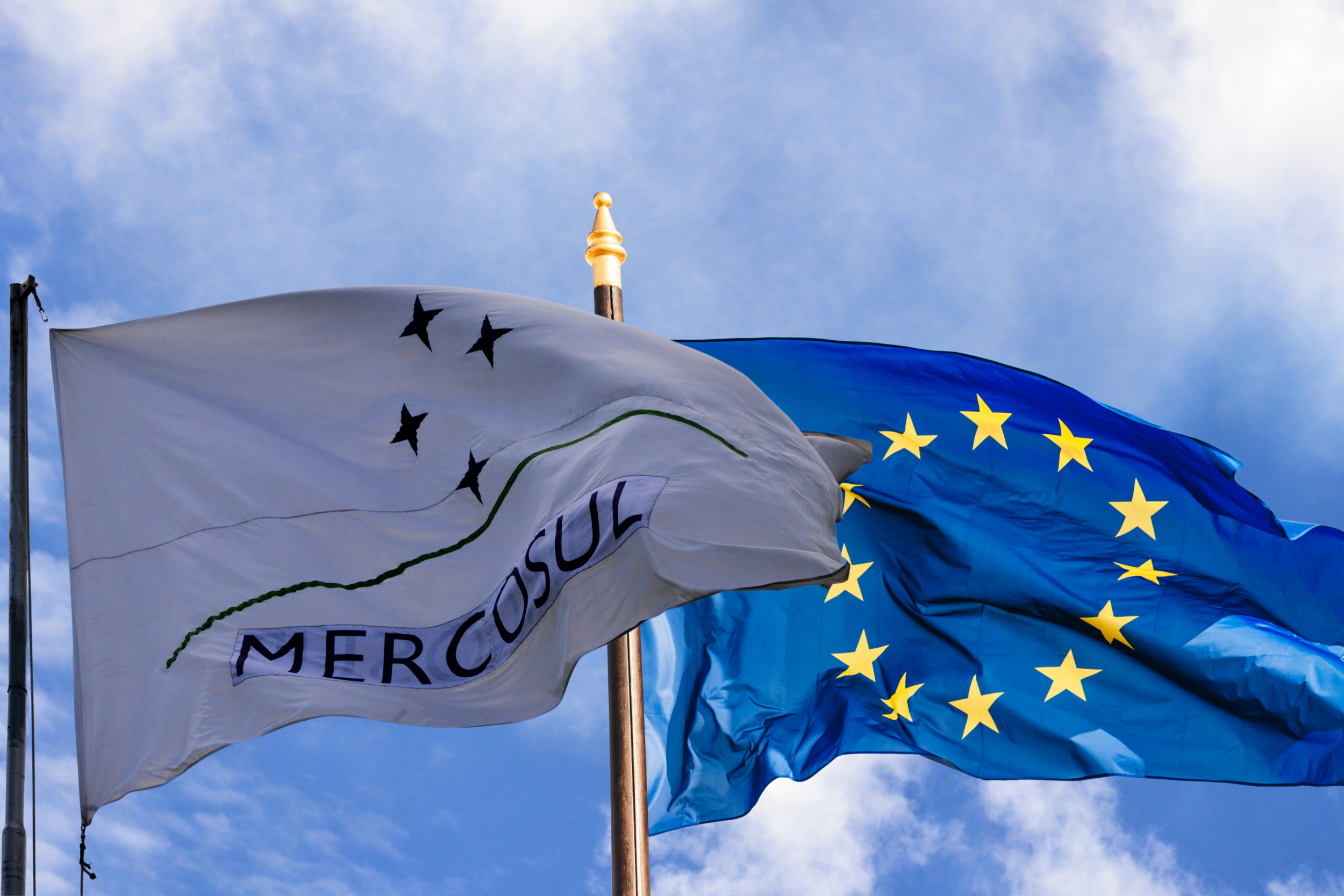
After years of intense deliberation, the European Commission has finally given its nod to the Mercosur and Mexico agreement. This decision, which has been a subject of heated debate, is particularly significant for farmers in Poland, where poultry producers are sounding the alarm, warning that the contentious trade deal poses a grave threat to their industry.
The agreement would allow Brazil and the 4 other Mercosur states to sell agricultural goods to EU countries with fewer or no restrictions.
The agreements with Mercosur and Mexico are milestones for the European economy, Ursula von der Leyen, the President of the European Commission, emphasised in a tweet.
EU businesses and agri-food sector will benefit from lower tariffs, reduced costs. They will become more competitive globally,” – von der Leyen
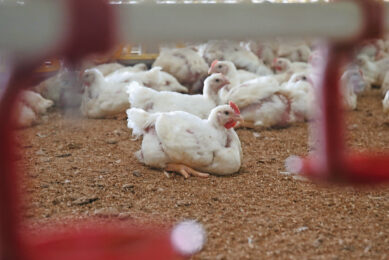
Threat to EU poultry
However, it appears that not all farmers agree.
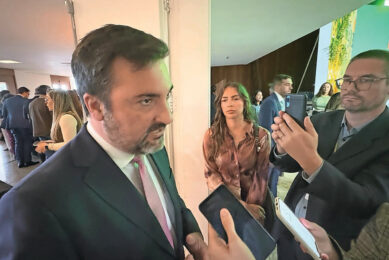
The deal represents a real threat to European poultry producers, Dariusz Goszczyński, the President of Poland’s National Poultry Council – Chamber of Commerce, told local press.
“We are deeply disappointed with this decision,” Goszczyński claimed. “The European Commission promised to listen to the voices of farmers, but we see that little has come of these declarations.”
Poland opposes deal
The deal must now be approved by a majority of EU member states to go into effect.
According to Goszczyński, the Polish government opposed signing the agreement with Mercosur from the very beginning and supported the arguments of the agricultural community.
Poland may have more reasons than other EU member states to be concerned.
As Goszczyński pointed out, the country is the largest poultry producer in the European Union and is “particularly vulnerable to the effects of market liberalisation”.
Impact of Mercosur imports
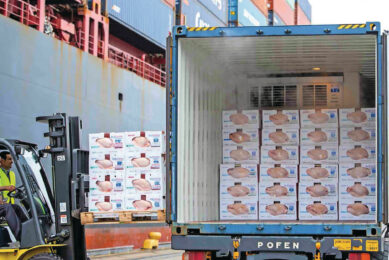
The agreement assumes the introduction of 180,000 tonnes of poultry meat annually from Mercosur countries into the EU market, where they will compete with Poland’s broiler meat.
Farmers voice global competition fears
Poultry farmers in Poland and several other EU countries have been repeatedly voicing fears over the need to compete with manufacturers from other parts of the world who are not subjected to the same strict environmental and animal welfare standards as European businesses.
Concerns fall on deaf ears
“The European Commission seems to be completely deaf to the arguments coming from agricultural industry organisations, which clearly indicate that the direction taken by the Commission, consisting in allowing products to enter the European market that do not have to meet the same requirements as products produced in the European Union, is unacceptable to us,” Goszczyński said.