Does UK labelling mislead consumers on farm conditions?
Animal welfare campaigners and legal experts have warned that UK consumers are being misled by pervasive misinformation on animal product labelling. At a Parliamentary briefing hosted by Compassion in World Farming, Humane World for Animals UK, and the Animal Law Foundation, MPs heard that misleading marketing and weak enforcement of existing laws are creating an unfair marketplace, leaving shoppers in the dark.
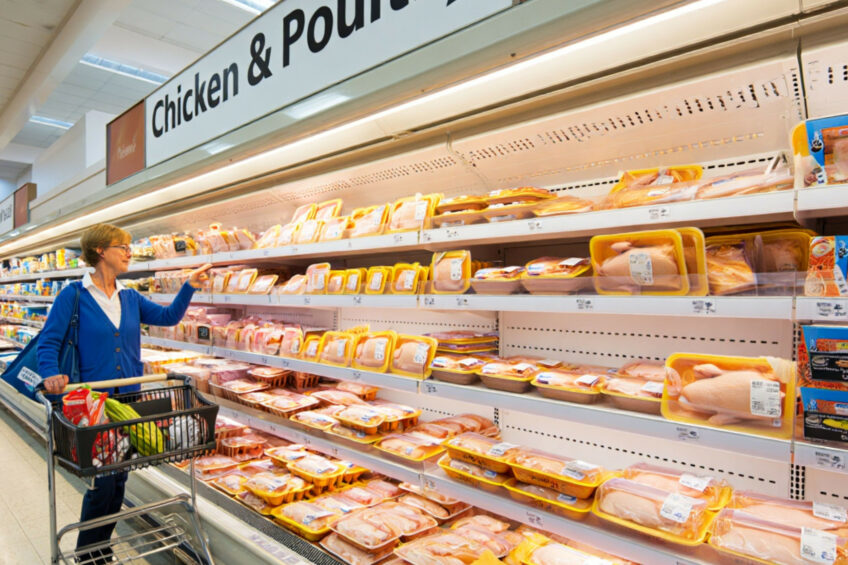
Currently, 100% of supermarket websites depict animals outdoors, yet 85% of UK farmed animals are raised in intensive conditions. Polling by Humane World revealed widespread misconceptions: 65% of people believe meat labelled ‘welfare assured’ comes from animals that were not caged, and 60% assume the Red Tractor label bans cruel practices such as CO₂ gassing of pigs. In reality, these labels do not guarantee such protections.
Massive support for reform
Support for reform is overwhelming: 77% of the public back a new law for mandatory method of production labelling (MMOP), rising above 80% among Green, Reform, and Liberal Democrat voters. The government’s Fairer Food Labelling consultation attracted over 31,000 responses, with 99% supporting mandatory labelling for both domestic and imported products. Defra’s 2024 Impact Assessment predicts clearer labelling could boost UK farmers’ profits by £46 million annually and deliver a £140 million net benefit to society.
Political reaction has been strong. Event sponsor Sarah Dyke MP (Liberal Democrat) said: “Our current animal product labelling laws are not fit for purpose. Successive governments have pledged action but not delivered. Consumers, farmers, and animals deserve better.”
Conservative MP Douglas McAllister also voiced support for ending misleading labelling, citing constituent concerns.
Production labelling and strict enforcement
Campaigners are urging 2 key actions: mandatory method of production labelling to give consumers clarity and protect higher-welfare farmers, and stricter enforcement of existing laws by Trading Standards and the Advertising Standards Authority.
Claire Bass, senior campaigns director at Humane World for Animals UK, added: “Consumers buying meat face a minefield of misleading claims and missing information.”
Edie Bowles, executive director of the Animal Law Foundation, warned that failure to enforce existing laws creates a dishonest food supply chain.
Join 31,000+ subscribers
Subscribe to our newsletter to stay updated about all the need-to-know content in the poultry sector, three times a week.