Using infrared thermography for evaluating BCO lameness
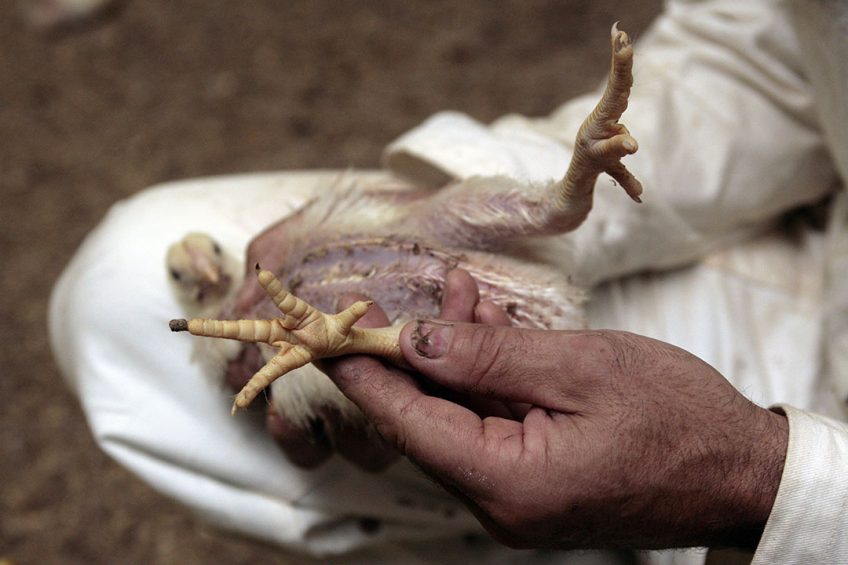
Lameness has been reported to affect up to 1% of all market weight broilers and bacterial chondronecrosis with osteomyelitis (BCO) is a leading cause. A study at the university of Arkansas used infrared thermography to detect localised areas of increased heat production due to inflammation. Broilers can become lame from non-infectious and infectious origins. Bacterial chondronecrosis with osteomyelitis is a bacterial infection of the growth plates in the leg bones, leading to necrosis and event
Get full access to all stories on Poultry World
This Premium article is exclusively available for subscribers
Obtain insights from exclusive interviews
Dive into articles covering trending industry topics
Get a glimpse into poultry farms worldwide
All the news is brought to you by experienced editors and experts from around the world

Nathalie
Kinsley

Fabian
Brockötter

Tony
McDougal