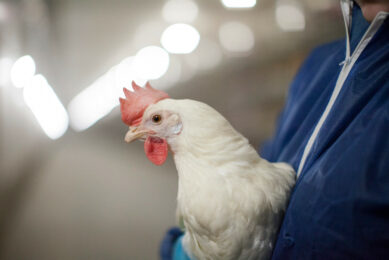
The role of proteinated minerals in supporting modern poultry production
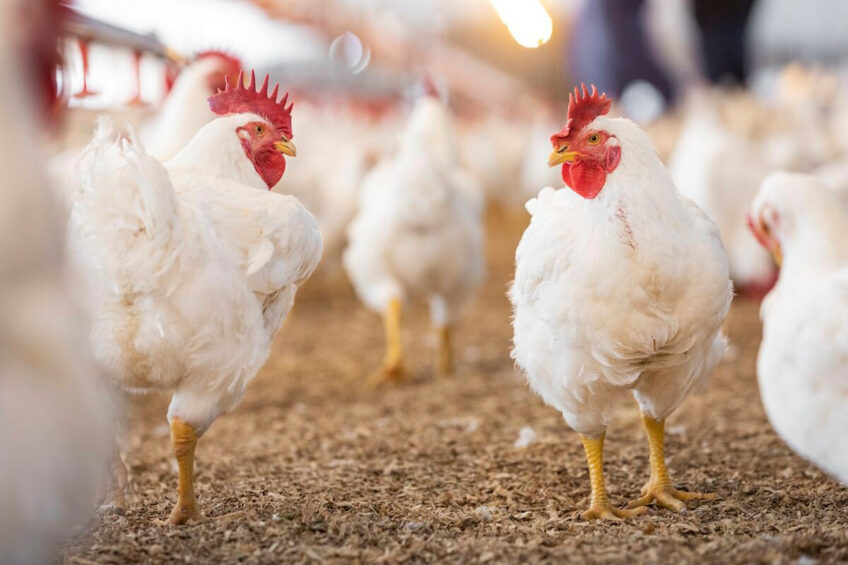
Trace minerals are micronutrients delivered in small quantities, but with significant impacts on poultry health, productivity and resilience. Zinc, copper, manganese, iron and selenium function as cofactors for hundreds of enzymes and proteins involved in immunity, metabolism, reproduction, antioxidant defence, bone development and stress tolerance. In modern poultry systems, where birds are highly productive and exposed to nutritional, environmental and disease pressures, correct trace mineral nutrition has become critical for optimal performance and health.
Traditionally, inorganic trace minerals have been used to meet birds’ requirements. However, these forms are highly reactive, poorly absorbed, and have antagonistic interactions in the premix, feed and digestive tract. Proteinated trace minerals offer a more bioavailable, stable and sustainable alternative. Research has shown that proteinated minerals can support immune competence, oxidative status, egg quality and broiler growth efficiency.
Bioavailability and stability in the GI tract
One of the most important factors affecting how well a trace mineral is utilised by the bird is its stability as it passes through the digestive tract. The highly acidic, or low-pH, environment there can cause many mineral sources to break down into free mineral ions. These free ions readily:
- Form insoluble compounds in the intestine that the bird cannot absorb
- Trigger oxidative reactions that can damage the gut
- Bind nutrients such as phytate, thus blocking absorption
Proteinated trace minerals, such as Bioplex trace minerals, are produced by chelating metals to short-chain peptides. This creates strong, biologically stable bonds that protect the mineral during transit through the digestive tract and deliver it intact to the sites of intestinal absorption, resulting in higher mineral absorption, improved retention and lower mineral excretion. In contrast, weakly bonded amino acid complexes or inorganic salts often behave no differently from sulphates once exposed to low pH.
Proteinated trace minerals vs. inorganic sources
Inorganic trace minerals are inexpensive but highly reactive to other ingredients in a premix, especially vitamins, enzymes and antioxidants. In premixes and feeds, they:
- Destroy vitamins via oxidation
- Inhibit exogenous enzymes such as phytase, protease and xylanase
- Reduce antioxidant efficacy
- Increase mineral excretion
In contrast, proteinates are less reactive due to their strong chelation, resulting in:
- Reduced oxidative stress
- Greater mineral bioavailability at lower inclusion levels
- Lower antagonism with phytates
Immune support
Trace minerals play a direct role in immunity. Zinc, copper and selenium are essential for lymphocyte proliferation, antibody production and antioxidant protection of immune cells. Proteinated trace minerals support the bird’s immune system by ensuring consistent mineral availability, particularly during periods of challenge, such as heat stress. Heat stress is a significant concern for poultry production globally. Elevated temperatures increase oxidative stress, suppress feed intake, impair immunity and reduce egg production and growth rates.
Proteinated trace minerals help mitigate heat stress through several mechanisms:
- Enhanced antioxidant defence: Zinc, copper, manganese and selenium are cofactors for antioxidant enzymes
- Support for gut integrity
- Better thermoregulation: Improved feathering, mineral balance and cellular protection
Research consistently demonstrates that birds supplemented with Bioplex minerals and Sel-Plex organic selenium yeast maintain performance, survivability and oxidative status compared with those fed inorganic minerals.
Layers vs. broilers
Layers: Egg production and shell quality
In laying hens, trace minerals directly influence hen-day egg production, eggshell thickness and strength, albumen quality, skeletal integrity and persistency of lay. A global meta-analysis by Byrne et al. (2023) showed that replacing inorganic trace minerals with Bioplex minerals resulted in positive effects on hen-day production, feed conversion, eggshell thickness, and eggshell strength. These benefits are particularly important in extended lay cycles, where mineral depletion and shell quality issues are more pronounced.
Broilers: Growth efficiency and survivability
Broilers have high requirements for trace minerals due to rapid growth, high feed intake, and increased metabolic activity. Proteinated trace minerals support improved feed conversion ratio (FCR), bone strength and immune function.
A comprehensive broiler meta-analysis by Byrne et al. (2025) showed that when inorganic trace minerals were replaced with Bioplex trace minerals, and inclusion levels were reduced by 40% for copper, 60% for iron, 40% for manganese and 35% for zinc, there were no negative effects on performance. Performance indicators such as average daily gain, final body weight, FCR and survivability were maintained or improved. A subset of trials with 50–80% reduced inclusion levels (compared to inorganics) showed even clearer benefits, demonstrating that improved bioavailability more than compensates for lower dietary concentrations.
Sustainability and environmental benefits
By improving mineral utilisation, proteinated trace minerals can indirectly contribute to sustainability goals. The broiler meta-analysis showed reductions in excreted copper (16%), iron (14%), manganese (21%) and zinc (15%).
In addition, life-cycle assessments were conducted for both the broiler and layer meta-analyses to better understand their overall sustainability benefits. These demonstrated that incorporating proteinated trace minerals into broiler and layer diets not only enhanced production performance and egg quality traits but also reduced the carbon footprint. (It is important to note that the emission reduction effects are secondary to performance or production benefits and not through a direct reduction in emissions.) Improved feed conversion, growth and survivability reduce the resources required per kilogram of meat or eggs.
Conclusions
Trace mineral nutrition is no longer just about meeting minimum requirements. The form, stability and bioavailability of trace minerals fundamentally influence poultry performance, health, resilience and sustainability. Consistent findings from global meta-analyses confirm that strongly chelated, stable organic trace minerals represent a science-based strategy for modern poultry production, delivering measurable benefits in both layers and broilers while aligning with economic and sustainability goals.
References available upon request.