Growing risks of microplastics to poultry health
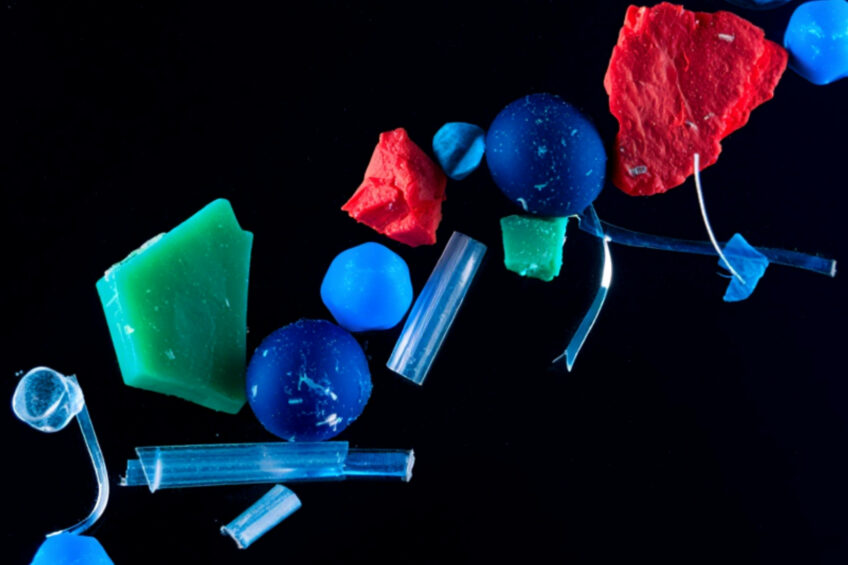
Traces of microplastics have been detected in a wide range of poultry products, Alexey Tretyakov, deputy director of VGNKI, a veterinary research institute affiliated with Russia’s veterinary watchdog Rosselhoznadzor, has told local media.
“This essentially means that this hazardous material has already entered the poultry food chain,” Tretyakov said, adding that a growing body of research suggests microplastics could directly affect poultry health and productivity.
According to Tretyakov, numerous studies examining the impact of microplastics on poultry have indicated potential degradation of the digestive system, neurodegenerative conditions, and brain damage in animals.
Fatty liver disease
VGNKI has recently found that the presence of microplastics in poultry can trigger fatty liver disease, a condition linked to excessive fat accumulation in the liver. The disease causes weakness, weight loss, lethargy, and other symptoms that can significantly reduce productivity in poultry, Tretyakov said, adding that microplastic contamination is often overlooked, posing a potential threat to consumer health.
During the studies, traces of microplastics were found not only in broiler meat but also in eggs. Crucially, Tretyakov said, researchers did not artificially increase microplastic levels in feed rations. “We examined microplastic dosages reported in existing scientific literature,” he said.
Risks to livestock
Microplastics are becoming an increasingly pressing concern because plastics do not fully degrade but instead break down into microscopic particles that pose risks to living organisms, Tretyakov said. While initial concerns focused on the growing contamination of oceans and its impact on aquaculture species, recent research shows that land-based farming is also affected.
Tretyakov also noted that microplastics can penetrate intercellular barriers and attract harmful chemicals and pollutants. The insidious nature of the phenomenon lies in the material’s ability to enter the body without detection.
This is not the first time scientists have warned about the impact of microplastics on the poultry industry. Earlier studies have suggested that microplastics can affect animal health — particularly in poultry — through ingestion, inhalation, and dermal contact. Exposure has been linked to stunted growth, weakened immune function, reduced fertility, and tissue damage, posing a broader risk to both animal welfare and environmental health.
Russian researchers plan to step up studies into microplastic contamination, focusing on identifying its primary sources in poultry production and assessing practical measures to limit exposure. The research will also seek to determine whether changes in feed composition, housing materials, or biosecurity practices could help protect poultry health and reduce risks to the industry.