Could light‑incubated eggs benefit chicks?
New research from The Roslin Institute has provided fresh insight into how light exposure during incubation can shape chick behaviour, development and welfare. The findings, which build on a growing body of avian developmental science, indicate that simple changes to incubation practices could support healthier, more adaptable birds in commercial poultry systems.
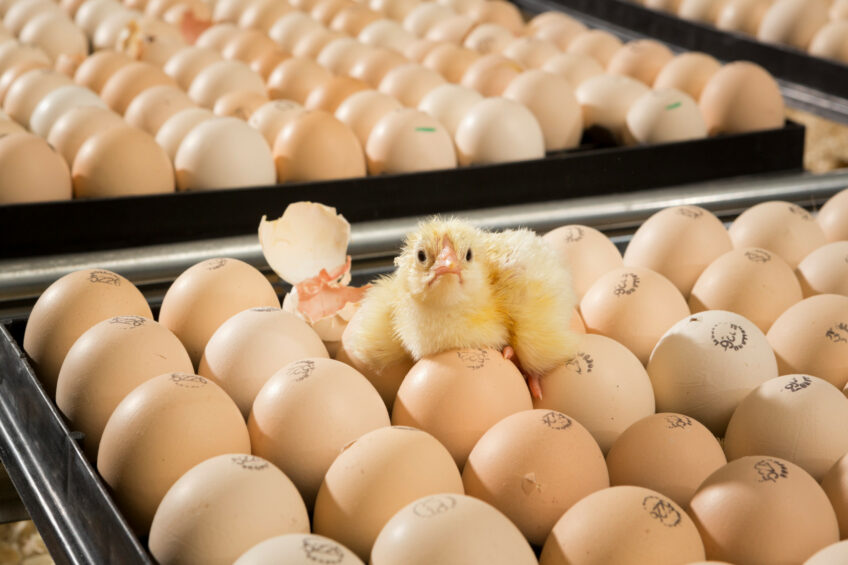
The study examined whether exposing eggs to controlled light cycles during incubation – rather than keeping them in complete darkness, as is typically done in hatcheries – affected how chicks behaved once hatched. Researchers found that chicks incubated under light were far more inclined to interact with environmental enrichments, particularly small dark shelters designed to mimic aspects of maternal care.
Light and neural development in chicks
Scientists incubated separate groups of eggs under different conditions: one in continuous darkness and the other under a light schedule. Once hatched, chicks were placed either in pens containing access to a shelter or in pens without one. Their behaviour was monitored over several weeks to assess how early incubation conditions influenced their willingness to explore and use enrichment.
Shelters proved popular across all groups, with chicks using them to rest inside, perch upon or sit against. However, chicks exposed to light during incubation interacted with the shelters significantly more often. Researchers believe these early behavioural differences may stem from the ways in which light influences neural development during the embryonic stage.
Secure micro‑environments
The study suggests that shelters offer meaningful welfare benefits by giving chicks opportunities to rest safely away from flock disturbances. Chicks with access to shelter tended to be less active overall, conserving energy and spending more time resting. As the chicks matured, their engagement with shelters increased, pointing to the importance of offering secure micro‑environments in the early rearing period.
Light during incubation has previously been linked to reduced stress, improved hatching success and positive effects on brain development. Birds possess light‑sensitive receptors deep within the brain that regulate circadian rhythms – even before hatch – which may help explain why regular light-dark cycles could improve behavioural outcomes.
Female birds weighed more
A notable finding was that female chicks incubated under light weighed more at 4 weeks of age than those reared in darkness. Although the mechanisms behind this are not fully understood, the researchers noted that even small differences in early growth can influence long‑term productivity in laying systems.
While light exposure did not change the timing of individual hatch events, the team suggests it may contribute to more synchronised hatching within a clutch – a factor that could streamline chick management in commercial settings.
Productivity and animal wellbeing
The study, ‘The effect of light during incubation and dark shelter enrichment on chick growth and behaviour’, which has been published in Poultry Science, was carried out with support from the National Avian Research Facility, the Animal Welfare Foundation, UKRI BBSRC and the EastBio Doctoral Training Partnership. The authors emphasise the need for larger, commercial‑scale trials to assess the practicality of implementing light‑assisted incubation and routine provision of shelters in real‑world poultry production.
According to the research team, understanding how subtle changes in the earliest stages of life influence behaviour, welfare and development could help the sector enhance both productivity and animal wellbeing.