War in the Middle East sends tremors through poultry supply chains
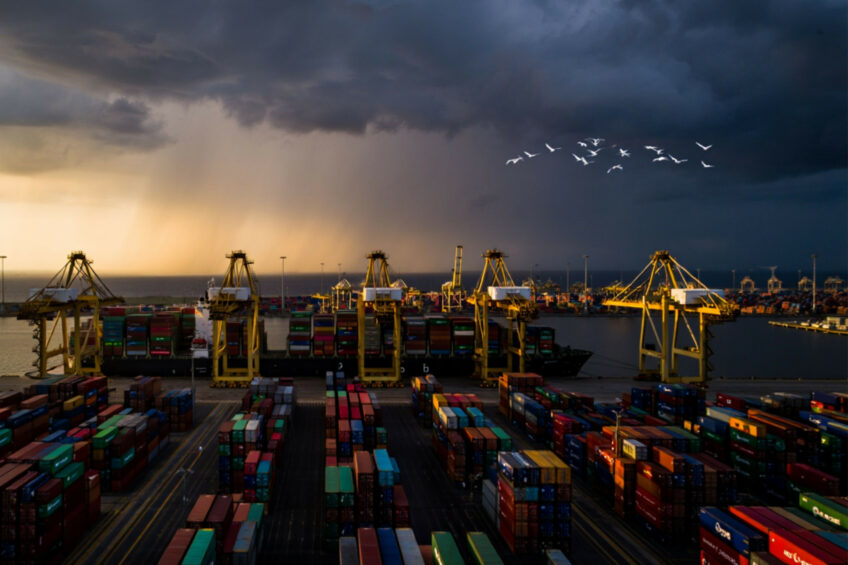
The escalating war involving the United States and Israel on one side and Iran on the other is already beginning to ripple through the global poultry industry, disrupting trade routes, raising input costs and unsettling key export markets from Europe to the Middle East.
While the immediate effects remain limited, industry players warn that the longer the conflict persists, the more severe the consequences could become.
European poultry producers
European poultry producers are already feeling the first effects of the war between the United States and Israel and Iran, as surging energy prices and growing volatility in feed markets begin to squeeze production costs.
Developments in the Middle East could affect poultry producers in Europe primarily through indirect channels such as energy markets, fertiliser supply, and logistics, press office of the International Poultry Council (IPC) told Poultry World.
“Poultry production is sensitive to energy costs, as heating, electricity, processing and transport are all energy-intensive,” IPC noted. “If geopolitical tensions lead to sustained increases in oil or natural gas prices, this could place additional cost pressure on producers.”
Duration and intensity of the conflict
Much will depend on how long the conflict lasts, as the existing difficulties can mount over time.
The scale of the negative impact on the poultry value chain will depend on the duration and intensity of the conflict in the future, commented Stig Munck Larsen, chief consultant at the Danish Agriculture and Food Council and Chair of AVEC’s Trade Working Group.
“Short-term impact will increase over time while further escalation will negatively affect the supply of key inputs to the value chain such as energy, feed and transport costs and wages, if inflation rises,” Larsen warned.
Global flows at risk
Given some of the world’s key transport routes are being affected, the conflict has the potential to significantly disrupt the global poultry trade. Exports of meat and livestock to the Middle East are likely to stop, or at least be significantly reduced, due to transport disruptions, Larsen said.
“Volumes will likely be redirected to other markets, such as the African continent, especially from Brazil and some non-EU countries in Europe. This trade diversion will impact bulk prices negatively,” he added. Trade disruptions may also affect exports to Asian markets, as transport routes via South Africa could extend shipping times by 10-14 days and increase costs, according to Larsen.
Poultry trade disruptions
Disruptions to international trade routes could also have implications for poultry trade, IPC press office agreed.
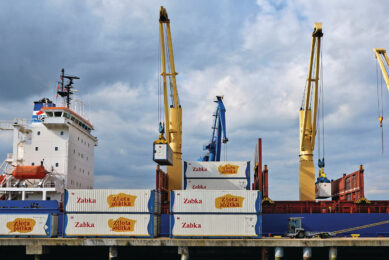
“While genetics such as day-old chicks and parent stock are typically transported by air and may be less directly affected, poultry meat trade relies heavily on maritime shipping. Increased freight costs, higher insurance premiums, or restricted access to certain shipping routes could therefore affect trade flows,” IPC stated.
According to IPC, there may also be implications for fertiliser markets, which are closely linked to energy supply and play a key role in crop production, including maize and soybeans used in poultry feed. Any disruption affecting fertiliser availability or global trade flows could eventually influence feed costs.
Higher risks ahead
If the conflict becomes long term, the impact on the poultry sector could be significant, industry representatives warned.
“Imbalances in the supply and demand of key inputs may drive production costs higher, increase product prices and contribute to food inflation, reducing consumers’ purchasing power,” Larsen said.
The risk is that additional volumes from exporting third countries could be redirected towards the EU at lower prices, causing additional price pressure for EU producers operating in an environment where production costs for the entire value chain is increasing, Larsen noted.
The flip side…
On the flip side, poultry tends to remain one of the most affordable animal proteins during periods of economic uncertainty.
“Historically, when households face rising living costs, demand often shifts toward poultry because of its relative affordability compared with other meats. In that sense, the sector can sometimes prove relatively resilient even when broader market conditions are challenging,” IPC stated.