Red Tractor poultry scheme faces calls for major overhaul
Concerns that the UK’s current largest farm assurance scheme, Red Tractor, is perceived as overly compliance-focused has prompted a major overhaul.
While the Red Tractor poultry board feels the scheme remains the assurance backbone for a highly professionalised poultry sector, with strong market reach and consumer trust, it is seen as burdensome for farmers.
Rather than being a strategic partner to industry, the board felt the assurance scheme was overly administrative when it needed to do more around ongoing pressures, such as avian influenza, NGO activism, increasing welfare and sustainability expectations and scrutiny on environmental impact.
A value-added approach
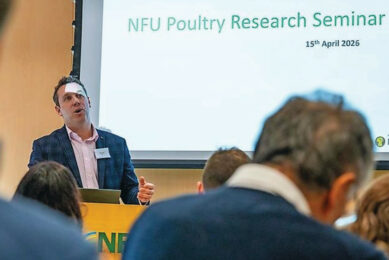
Red Tractor poultry senior technical manager Sophie Elwes led the board discussion on the final Poultry Sector Strategy, which now aims to address these challenges by moving towards refreshed standards that both capitalise on both the integration and data driven nature of the industry.
The aim is to provide a more value-added approach with optional modules to address customer needs and collecting data to demonstrate the credentials of the scheme and the new strategy is due to be published this month.
Audit protocol
Iain Gardner, Red Tractor poultry sector board chair, said the board had also reviewed the updated audit protocol, introduced in May 2023, which was designed to balance biosecurity alongside the need for physical audits during periods of avian influenza on on-farm visitor restrictions.
Gardner said the audit was working: “It is delivering as expected and meeting the requirement for poultry farmers to receive 2 audits every 24 months, with certification bodies given scope to push and pull audits in line with calculated farm compliance risk and time elapsed since last visit.”
Welfare standards
Meanwhile, RSPCA Assured has updated its welfare standards for hatcheries, which were last published in 2017. The new version of the standards come into force on 16 February, following the 3-month notification period. There are a number of new standards designed to support producers and progress chick welfare.
Key changes include:
- Improved requirements for culling, aligned with the latest Humane Slaughter Association guidance
- Plans to prevent the culling of healthy, viable birds
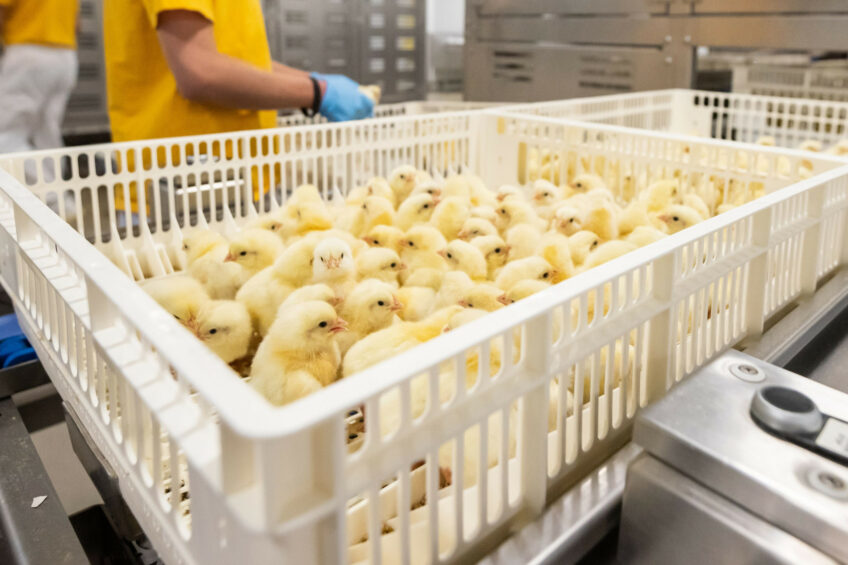
- Improved chick handling measures, including posture, stability, recovery and limits on overcrowding
- New emergency planning requirements for fires, floods, power loss and more improved training requirements for staff
- Introduction of a written Wild Animal Control Plan that prioritises humane methods and protects non-target species
- Clearer expectations for the use of new technologies, such as in-ovo vaccination and artificial intelligence
- Permission is now required for sea, air or rail transport with clear welfare plans.
Neil Scott, RSPCA Assured assistant director of certification, said: “We hope the latest edition of the hatchery standards will help our members to continue on their higher welfare journey and support them in delivering the best possible welfare at every stage of farmed animals’ lives.”
Join 31,000+ subscribers
Subscribe to our newsletter to stay updated about all the need-to-know content in the poultry sector, three times a week.