Poultry industry in Syria in turmoil
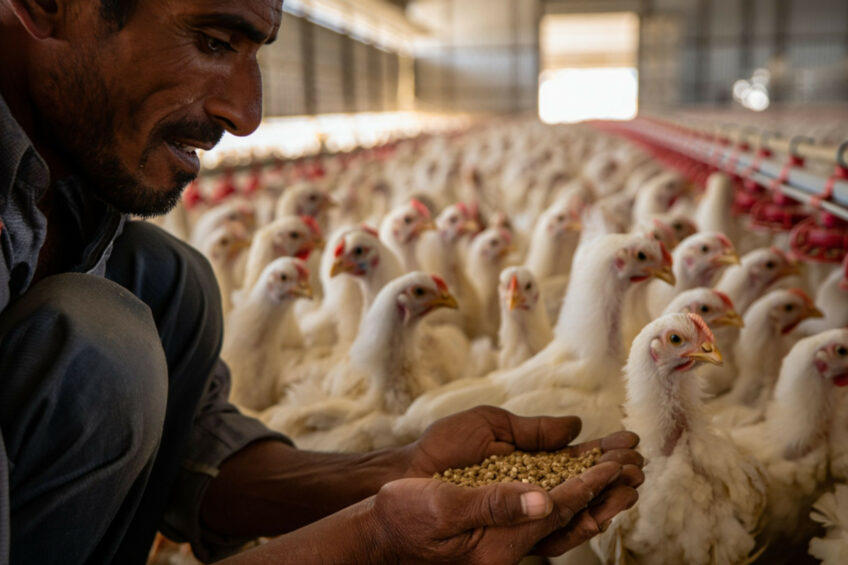
Syria’s poultry market is facing growing turbulence, with prices jumping by nearly a third over the past month and weighing on consumer demand. Industry participants say outbreaks of Newcastle disease and, more recently, a spike in feed costs linked to tensions in the Middle East are among the main drivers.
The average retail price of chicken has recently reached about 30,000 Syrian pounds (€2.5) per kg, up from around 22,000 Syrian pounds per kg a month earlier, local news outlet SANA reported, citing the results of its market survey.
Newcastle disease outbreaks
Over the past several months, the Syrian poultry industry has been hit by a series of disease outbreaks affecting numerous farms. Local veterinarian Murtada Hassan Reda told Enab Baladi that the outbreaks were caused by Newcastle disease, which is not dangerous to humans.
However, according to the publication, a lack of transparency from government officials regarding the veterinary situation in the poultry sector has undermined consumer confidence. Rumours have been circulating in Syrian society that infected poultry potentially harmful to humans is being sold in retail outlets.
The Syrian Health Ministry recently issued a statement refuting those claims and assuring consumers that poultry available on the market is safe, though many buyers remain unconvinced.
Pressure from imports
Syrian poultry farmers are also facing increased competition from cheap imported frozen poultry after the government allowed imports at the end of 2025. Ma’an Al-Saqqa, the owner of a poultry farm, told local media that the unexpected influx of frozen chickens, chicks and hatching eggs has flooded the market, prompting many breeders to consider culling their flocks before the end of the production cycle.
Despite the recent increase in retail prices, many poultry farmers are currently operating at a loss, Al-Saqqa warned. The sector is going through a particularly difficult period, with some farms suspending operations in the past four months, according to Fadel Haj Hashem, director general of the General Poultry Corporation.
War drives feed costs higher
In recent weeks, poultry producers have also been struggling with rising feed costs linked to the escalating conflict involving the United States, Israel and Iran. Syria’s feed industry relies heavily on imported raw materials, largely due to decades of conflict that have weakened the country’s domestic agricultural production.
According to various market reports, the price of key feed ingredients such as corn and soybeans on the local market has increased by roughly 20-25% since the start of the latest escalation.