Poultry litter management essential for health and performance
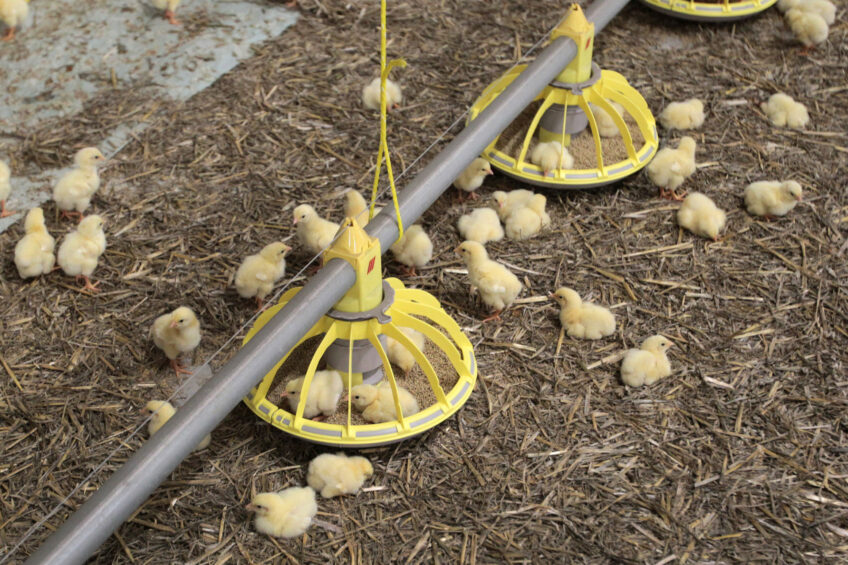
Because birds are in constant contact with litter, risk factors associated with poorly managed litter, such as high moisture content, malodour and the prevalence of pathogens, as well as ammonia emissions, will adversely affect the health and performance of chickens – and ultimately producers’ profit – unless proper poultry feeding and litter management practices are adopted. Intensive poultry farming has resulted in the production of enormous volumes of poultry litter. The disposal of
Get full access to all stories on Poultry World
This Premium article is exclusively available for subscribers
Obtain insights from exclusive interviews
Dive into articles covering trending industry topics
Get a glimpse into poultry farms worldwide
All the news is brought to you by experienced editors and experts from around the world

Nathalie
Kinsley

Fabian
Brockötter

Tony
McDougal