Is Russia’s poultry industry in jeopardy?
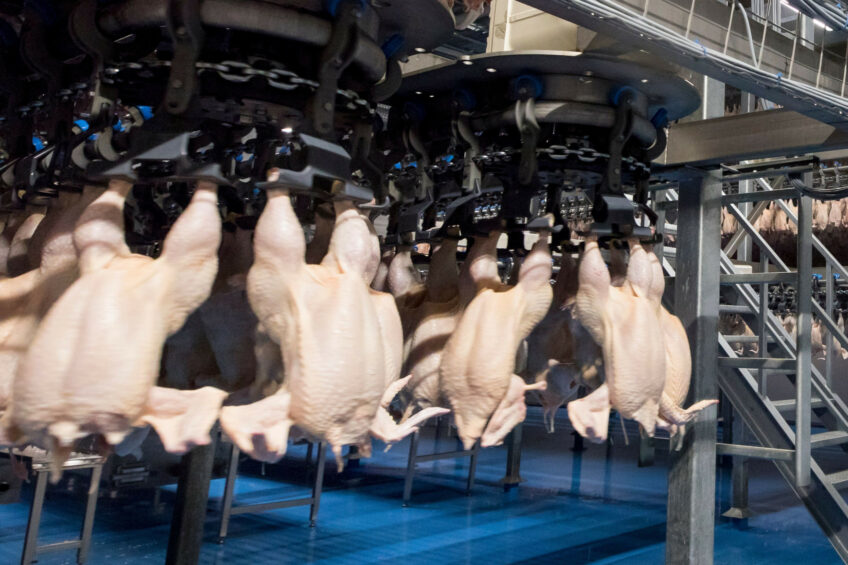
Despite slight output growth in 2025, Russia’s poultry industry is facing serious challenges that could put heavy pressure on existing operations next year, Sergey Yushin, executive director of the Russian National Meat Association, told local state news outlet Interfax.
Wholesale prices have been on a steady downward trajectory since summer 2024, and over the past 12 months, they have dropped by 5-10%. This decline, Yushin said, is happening against the background of a 40% rise in food inflation over the last 5 years, which outpaces growth in production costs for most food products.
Rising financial burden
Quite a few government initiatives in the areas of labeling, taxation, and environmental protection are expected to further spur the rise in production costs.
“We often read statements from respected regulators that this and that decision will increase production costs by half a percent or a percent. Perhaps. But has anybody calculated the cumulative effect on production economics from dozens of recent initiatives?” Yushin questioned.
According to Yushin, broiler farms are sounding the alarm in the current economic climate—even technologically advanced operations are now operating at a loss.
Looming bird flu threat and the importance of biosecurity
Particularly dangerous is that farmers are losing money as the industry faces a growing threat from veterinary diseases.
“Investments need to be made not only in modernization and development, but also in biosecurity, because skimping on this important area can lead to disastrous results,” Yushin said.
Turkey industry is in trouble
In the turkey meat segment, the economic situation is not much different from the broiler segment. Several small producers are in dire straits.
“The [turkey industry] leaders are also in a difficult situation. I must note that the industry’s expected demand growth hasn’t materialised this year. While the growth rate for turkey demand has been 10-15% per year for many years, it’s now slowing noticeably,” he said.
Imports from China
In addition, Russia is facing an influx of primarily white meat broiler products from China, Yushin noted.
“White meat is not in demand in China, and low pork prices and the growth of broiler production in that country are putting even more pressure on prices,” he explained.
He added: “We are already being squeezed out of the markets of neighboring countries, including some Eurasia Union [post-Soviet] countries, where Chinese chicken is imported, according to some data, with a significantly undervalued customs value to save on customs duties, because a chicken breast cannot cost US$0.89 per kilogramme.”