Iran’s poultry sector faces cannibalism, currency collapse and feed shortages
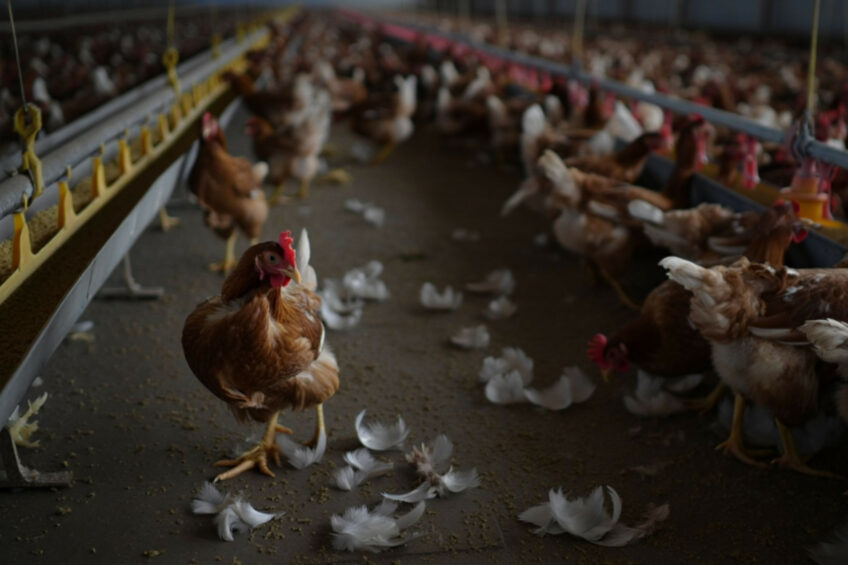
Left without adequate feed, poultry at several farms in Iran have reportedly begun attacking and eating each other, as a deepening economic crisis pushes the country’s long-troubled poultry sector to the brink.
A severe shortage of foreign currency needed to import corn and soybeans – the 2 key feed components – has left many producers unable to secure supplies, according to local media reports.
In a symbolic protest, a group of farmers recently gathered outside the Iranian parliament, performing “funeral prayers” for the poultry industry. Organisers said the action was meant to draw lawmakers’ attention to what they described as an existential crisis facing domestic chicken production.
Drastic drop in imports of poultry feed
Sadra Ali Akbarkhani, former CEO of the Central Union of Poultry Farmers, estimated that the industry requires roughly 240,000 tonnes of corn and 160,000 tonnes of soybean meal per month.
In recent months, however, actual deliveries have fallen far short of these needs, largely due to the country’s intensifying currency crisis.
Iran’s currency collapse
The Iranian rial has been in free fall, reportedly sliding to more than 1.5 million per US dollar by early 2026. Crippled by international sanctions, declining oil revenues and soaring inflation, the currency collapse has sharply limited the government’s ability to allocate hard currency for essential imports, including livestock feed.
Under Iran’s existing system, imported feed grains are purchased using state-allocated foreign currency at preferential rates and then distributed among registered poultry and livestock producers at subsidised prices through a centralised quota mechanism.
Exorbitant prices in the open market
According to Akbarkhani, in order to avoid mass slaughter, some farmers have been forced to turn to the open market, where corn and soybean meal are sold at “astronomical prices” reflecting the real exchange rate. Smaller producers in particular often cannot afford these costs. In extreme cases, when feed supplies are exhausted, birds have reportedly turned on each other.
The problem has intensified in recent months as more farms face acute shortages, according to reports by the Iranian news outlet Tabnak.
Day-old chick production declines
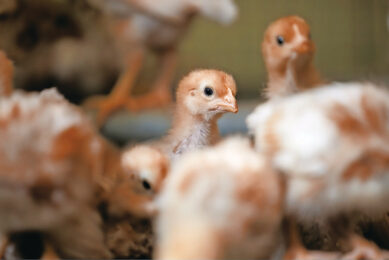
Amid mounting uncertainty, Iranian producers are reportedly scaling back breeding operations and sharply reducing purchases of day-old chicks.
Reza Mobasseri, secretary of the Iranian Poultry Chain Producers Association, warned that without reliable access to subsidised feed, farmers prefer to downsize rather than risk further losses, according to Mizan News Agency.
“If the selling price of chicken does not reach a level that covers minimum production costs, in the medium term some production units will go out of business or reduce output, and this will lead to a decrease in supply and an increase in prices in the market,” Mobasseri said.
He added that significant disruption to the supply chain could have lasting consequences. Once dismantled, production capacity – including breeder flocks and hatchery operations – may prove difficult and costly to rebuild, potentially prolonging instability in Iran’s poultry market.