Ghana’s Chicken4U Project scales up dual‑purpose chicks for rural households
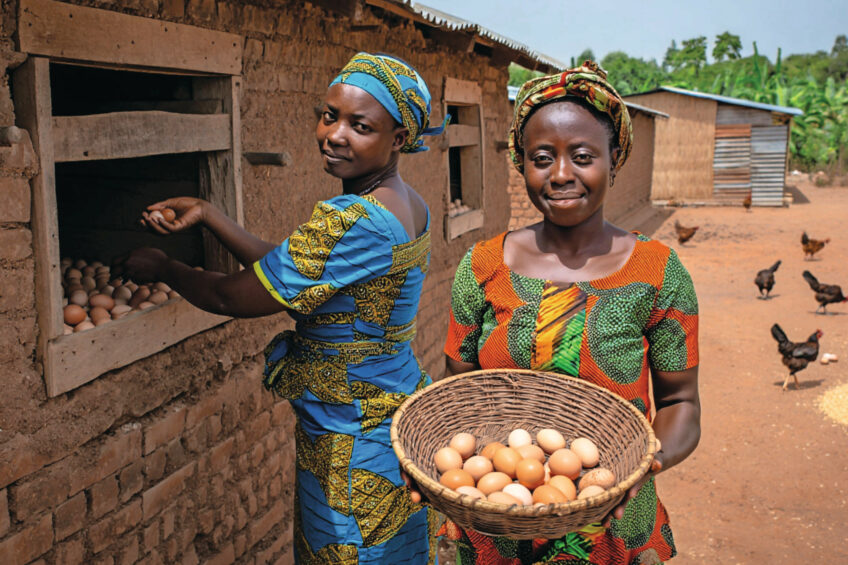
Ghana’s Chicken4U Project is bringing a new generation of improved poultry to small‑scale farmers by scaling up the distribution of dual‑purpose chicks into remote rural areas.
Aligned with the Poultry Multiplication Initiative (PMI) / African Poultry Multiplication Initiative (APMI),
the programme aims to strengthen household food security, create local income streams, and empower women and youth engaged in village‑level poultry production.
Brooder model strengthens early chick survival
At the core of Chicken4U is a practical value‑chain model: certified parent‑stock farms hatch high‑quality dual‑purpose day‑old chicks which are then transferred to specialised brooder units for the first 4 weeks. These brooders provide heat, feed, and vaccination support, greatly improving survival and performance once chicks are sold to smallholders.
This approach mirrors the broader PMI/APMI framework, which has already delivered vaccinated dual‑purpose chicks across participating countries in Africa, with reported benefits in flock productivity and resilience.
Why dual-purpose breeds matter
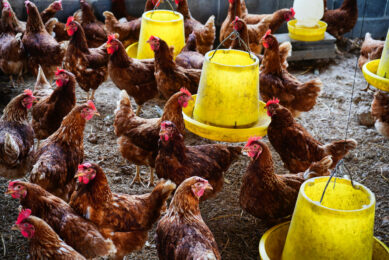
For rural farmers, dual‑purpose breeds offer a “two‑for‑one” advantage. Unlike many exotic broilers that focus almost exclusively on meat, these birds provide both moderate egg output and acceptable body weight, making them well suited to low‑input, free‑range or semi‑confined systems.
These breeds are bred to be more adaptable for smallholder systems, which helps reduce mortality and feed costs – two of the biggest constraints in smallholder poultry.
Smallholders gain access to better stock
In Ghana, Chicken4U is targeting households that previously relied only on scavenging indigenous chickens or occasional imported stock. By delivering better‑performing, vaccinated chicks directly to villages, the project lowers the risk of early‑life losses and improves the chances that families will see a return on investment through both home consumption and small‑scale sales of eggs and live‑weight birds.
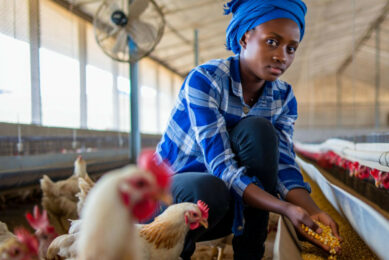
Brooder‑unit operators and local poultry agents – often women or youth – are being trained to support technical extension and vaccination, further embedding local entrepreneurship within the poultry value chain.
A model for sustainable poultry growth
In the broader context of African food security, programmes like Chicken4U represent a quiet but powerful shift: moving from charity‑driven donations to sustainable, market‑linked genetics and support services that reach the most remote communities.