UK farm assurance scheme aims for half of animals in higher welfare
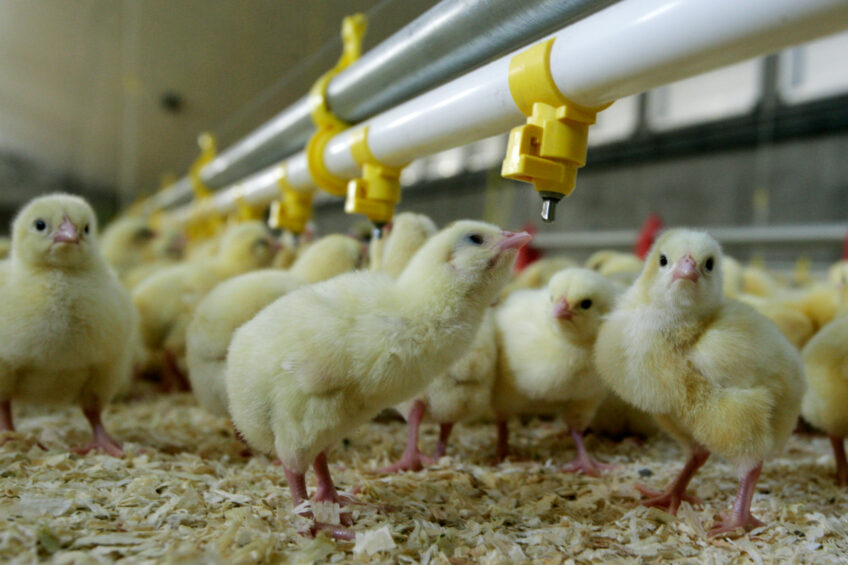
RSPCA Assured, a farmed animal welfare assurance scheme in the UK, aims to double the number of animals covered by 2050.
At present, just 26% of farmed animals in the UK are covered by the organisation since its launch in 1994, but it wants to boost this to 36% by 2030 and then 50% by 2050.
The announcement, highlighted in a new impact report, says more than 64 million animals were covered by its welfare standards last year. It currently has more than 1,800 labelled products that sell into Aldi, Co-op, Lidl, Marks and Spencer, Morrisons, Sainsbury’s and Tesco. Products also sell in McDonald’s, Wetherspoon, Wagamama and The Restaurant Group.
The report shows that RSPCA Assured has a huge level of farmer support among the egg sector, and some support in the turkey market – levels are much lower in the poultry meat sector.
Toby Baker, RSPCA Assured executive director, said its report and new rebrand was a statement of intent: “We want to make higher welfare the norm, not the exception, and by 2050, we’re determined that more than half the UK farmed animals will be living better lives under the RSPCA’s welfare standards. Together with farmers, businesses and shoppers, we can make that vision a reality.”
The report reveals that:
- More than 34 million terrestrial animals were part of RSPCA Assured during 2024, as well as more than 30 million salmon.
- There has been an estimated 8% increase in the number of animals on the scheme between 2024 and the end of this year, meaning that over 5 million more animals are being reared to higher welfare standards.
- An increase of 14% in the number of visits to members to check standards are being made – 560 more visits carried out by the end of this year compared to 2024. Between June 2024 and June 2025, assessors completed 3,642 farm visits.
Shoppers would pay a premium
Recent research commissioned by RSPCA Assured found that 62% of UK shoppers said they would spend more money on British higher-welfare labelled products – such as free-range, organic and RSPCA Assured – rather than settle for cheaper alternatives.
The organisation currently has more than 4,000 members, including farmers, hauliers, slaughterhouses, processors and packers.
Steve Mclean, head of agriculture and fisheries sourcing at Marks and Spencer, said the RSPCA Assured label was easy for customers to recognise and gave them confidence that the products they were buying met independently accredited higher welfare standards.
Laying hen farmer Phil Twizell said it was vital that his birds can scratch and dust bathe, as well as have access to shady trees and hedgerow environments – all requirements of the assurance standards. “When I see my hens happy, healthy and laying great eggs, I also couldn’t be happier,” he said.
Welfare standards for laying hens and broilers
Among some of the improvements introduced by the RSPCA’s welfare standards for the egg and poultry meat sector are:
- A requirement for slower-growing chicken breeds, helping reduce health problems and allowing more natural behaviours.
- A complete ban on all cages.
More than 830 RSPCA welfare standards must be met for meat chickens to be labelled RSPCA Assured. Birds have to live in barns with plenty of natural light, while some have access to the outdoor.
Egg producers have to meet 800 welfare standards with hens kept either in spacious barns with perches and nest boxes, or in free-range systems or systems with access to the outside.
There are more than 700 RSPCA welfare standards that have to be met for turkey to be labelled RSPCA Assured. They need to be kept on free-range or organic farms or live in barns with plenty of space and natural light so they can exercise, flap their wings and behave naturally.
Join 31,000+ subscribers
Subscribe to our newsletter to stay updated about all the need-to-know content in the poultry sector, three times a week.