UK poultry sector unites on resilience at NFU conference
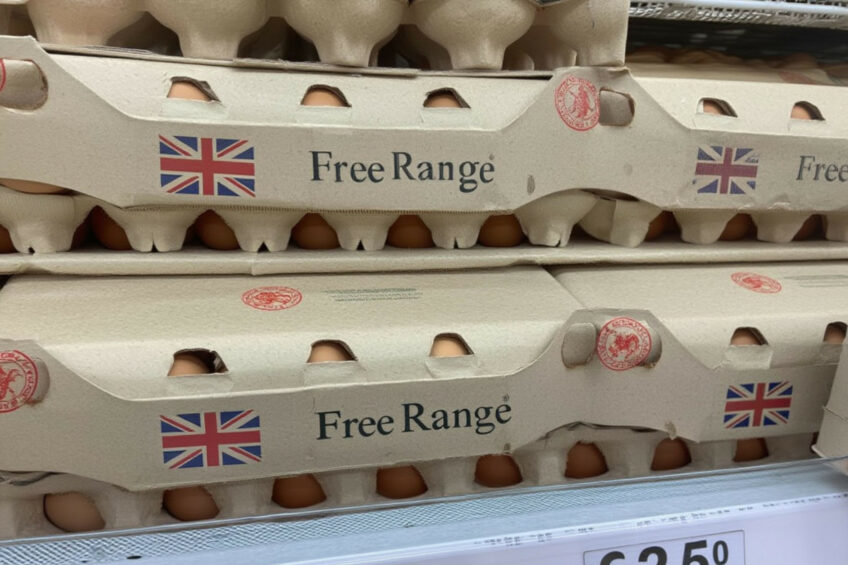
The poultry breakout session at the National Farmers’ Union (NFU) Conference brought together a panel of leading sector experts to explore one of the industry’s most pressing challenges: resilience.
With avian influenza continuing to shape policy and practice, government consultations accelerating, and demand for eggs and poultry meat remaining strong, panellists examined how the sector can strengthen its position across the supply chain.
Data-driven decision-making
UK deputy chief veterinary officer, Ele Brown, opened the discussion by praising the poultry industry’s commitment to data-driven decision-making. She said she was impressed by the professionalism and efficiency demonstrated on poultry farms, noting that this insight is vital as the sector prepares for the forthcoming AI vaccine trial.
Her comments set a positive tone for a session focused on practical solutions and forward-looking thinking.
Biosecurity on poultry farms
NFU Poultry board chair, Will Raw, highlighted how seriously farmers have taken biosecurity messages over recent years. He noted that the sector has made significant progress in strengthening practices.
Nick Allen, CEO of the British Egg Industry Council, added that future communication on biosecurity may place greater emphasis on human behaviour. Subtle shifts in behaviour, he suggested, could further reduce risk and strengthen on-farm resilience.
The poultry sector needs to rethink its communications approach
The session’s most dynamic contribution came from Birthe Steenberg, secretary general of AVEC. With an engaging and energetic style, she warned that well-funded NGOs are sometimes able to dominate political narratives, with their views framed as those of the wider public.
Allen supported this point, stressing that NGO-led research does not always reflect actual shopping behaviour – and that when consumers hear directly from farmers about how UK poultry is produced, they are often reassured.
Steenberg argued that the sector needs to rethink its communications approach, making its work more visible and relatable. “We need to show that we are not villains – we don’t have horns and a tail, we produce people’s food,” she said. She encouraged the sector to engage with NGOs where possible, seeking common ground and ensuring poultry producers’ voices reach policymakers.
Robust Q&A
During the Q&A, James Baxter from the British Free Range Egg Producers Association expressed concern that some NGOs remain unwilling to engage constructively with agriculture. Later, David Brass of The Lakes Free-range Egg Co welcomed the secretary of state’s decision to include poultry in the animal health and welfare pathway’s veterinary checks but raised concerns that certain avian influenza regulations from the Animal and Plant Health Agency are not fit for purpose.
Other audience members called for increased marketing investment for Lion Code eggs and urged planning systems to consider lower broiler stocking densities within permitted development rights – an issue that Raw confirmed the NFU continues to raise with government.
Building public trust
Steve Bowler of Bowler Eggs added that the sector had been “keeping chickens a secret”, urging farmers to take part in Open Farm Sunday, biosecurity permitting, to build public trust. Raw also addressed a question on biochar, emphasising the importance of treating poultry manure as a valuable resource and taking collective responsibility for it.
Looking ahead to the Poultry Research Seminar
NFU chief poultry adviser Aimee Mahony closed the session by thanking participants and highlighting the upcoming Poultry Research Seminar on 15 April, which will focus on biochar, avian influenza, and bird health and welfare. The session underlined the industry’s determination to adapt, engage, and strengthen resilience across the poultry supply chain.
Join 31,000+ subscribers
Subscribe to our newsletter to stay updated about all the need-to-know content in the poultry sector, three times a week.