Unlocking the value of sustainable business practices
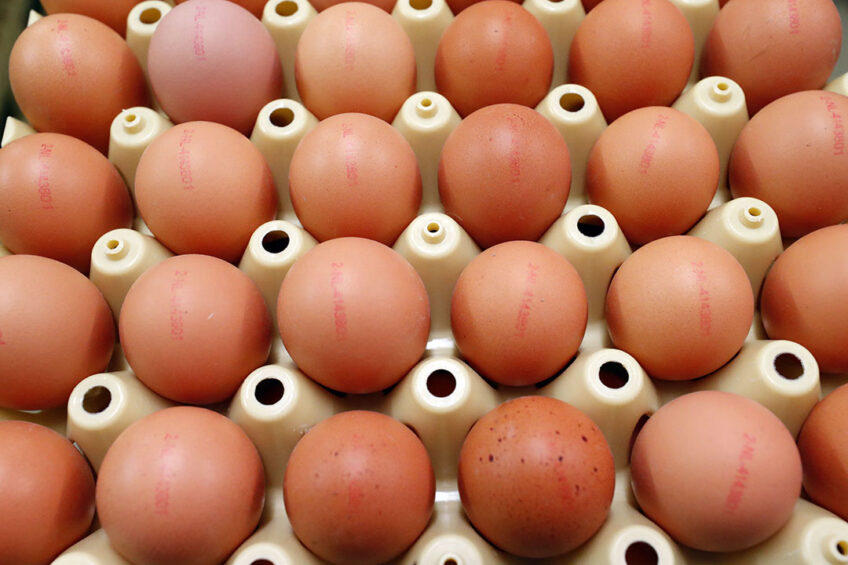
Egg producers need more sustainability guidance to measure and track their carbon footprint on their own farm. David Nickell, vice-president business solutions at DSM Animal Nutrition and Health, said the worldwide drive for sustainable animal protein demanded a much more accurate measurement and improvement. Feed plays a major role – 50-80% of the animal protein footprint is linked to feed. Mr Nickell said the change was being driven by the value chain – sustainability-conscious consumers
Get full access to all stories on Poultry World
This Premium article is exclusively available for subscribers
Obtain insights from exclusive interviews
Dive into articles covering trending industry topics
Get a glimpse into poultry farms worldwide
All the news is brought to you by experienced editors and experts from around the world

Nathalie
Kinsley

Fabian
Brockötter

Tony
McDougal