Belgium’s egg production faces decline amid cage phase-out
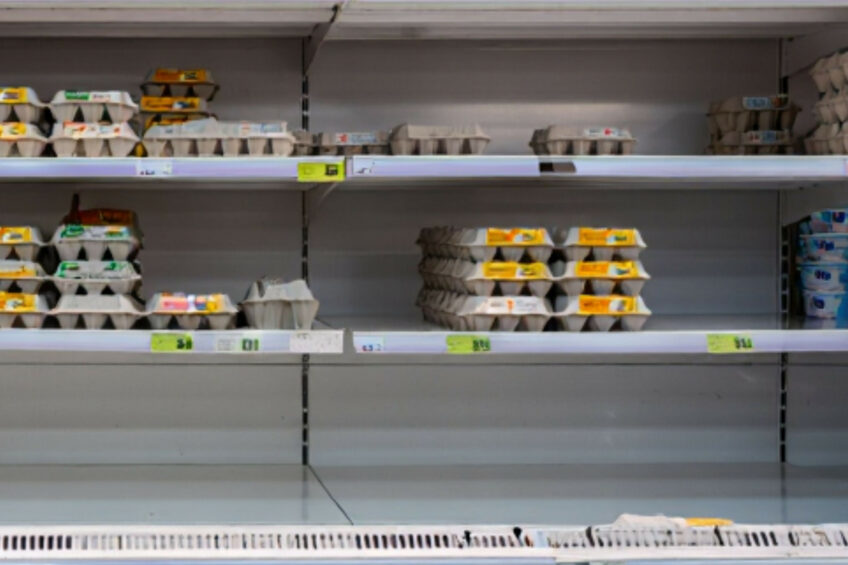
Belgium is no longer self-sufficient in egg production. The phase-out of enriched cages, due to stricter animal welfare regulations, will cause a further significant reduction in production capacity.
Transition to alternative systems is almost impossible because of the further tightening of legal climate and environment requirements, sector organisation Landsbond Pluimvee warns.
Supply down, demand up
“Supply is declining rapidly while the demand for eggs increases year upon year,” the organisation said. “Consumers more often reach for eggs as an alternative for meat. Previous worries about cholesterol are mostly gone and an increase in the number of flexitarians reinforces the trend.”
Unfair competition
Landsbond Pluimvee also warns of the risk of unfair competition from countries like Ukraine and Brazil. “We have to ask ourselves whether the consumer wishes that a basic product like eggs increasingly comes from abroad, where animal welfare, environment and the use of antibiotics are not taken very seriously.”
Almost at peak price?
The Belgian producers union believes egg prices are nearing their peak. Currently, brown free-range eggs of 62.5 g fetch 18.46 eurocent, almost 300% higher than 5 years ago.
“An upwards trend near Christmas is traditional, but that trend this year is stronger because of the outbreaks of avian influenza all over the world. We’re probably almost at a peak, but we will never see a return of the low prices of the past. However, eggs are still an affordable source of protein. Eggs cost the equivalent of €3.20 per kg while the same quantity of chicken, the cheapest meat, costs €9.70 a kg,” Landsbond Pluimvee says.
According to the organisation, consumers often prefer eggs over meat, and it is important that policy-makers take the signals from the sector seriously.
Join 31,000+ subscribers
Subscribe to our newsletter to stay updated about all the need-to-know content in the poultry sector, three times a week.