Rearing pullets with standardised phyto-molecules
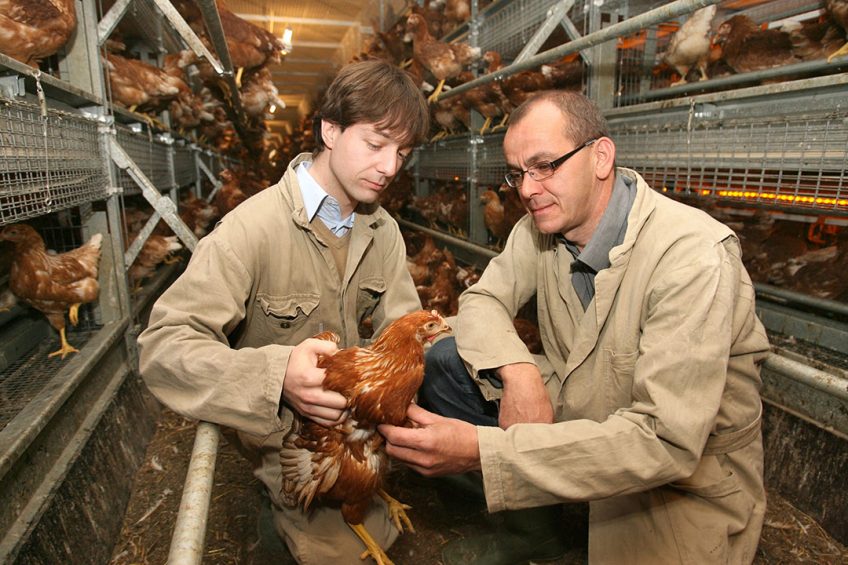
Nowadays, modern layers are able to achieve extremely high performances. For instance, they are capable of producing 366 eggs at 80 weeks and 437 eggs at 95 weeks with an average egg size of 63.1g. To reach this level of performance, one key to success is to achieve a successful 18-week pullet rearing period. For their first 18 weeks of life, pullets are raised in a facility under environmentally and nutritionally controlled conditions. The objective is to achieve the specific physiological dev
Get full access to all stories on Poultry World
This Premium article is exclusively available for subscribers
Obtain insights from exclusive interviews
Dive into articles covering trending industry topics
Get a glimpse into poultry farms worldwide
All the news is brought to you by experienced editors and experts from around the world

Nathalie
Kinsley

Fabian
Brockötter

Tony
McDougal