China slowly adopts genetically modified crops
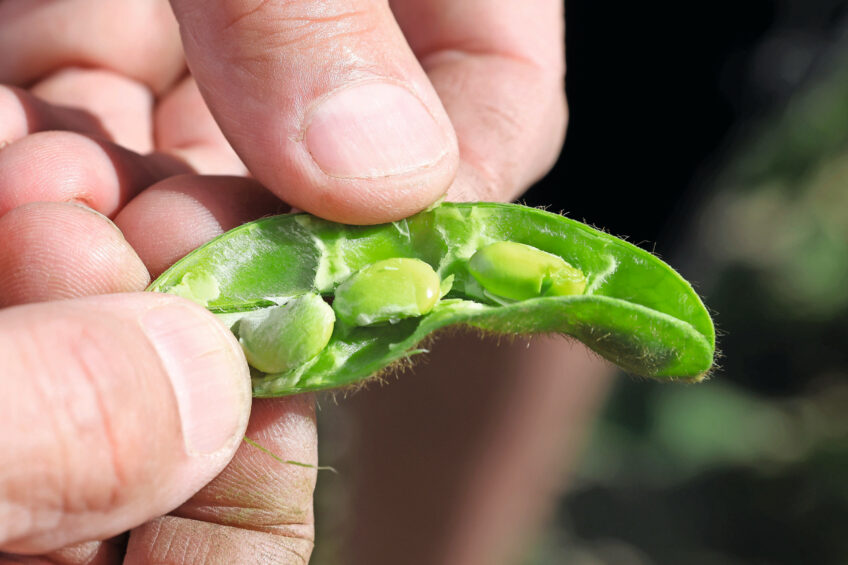
The Chinese government aims to enhance food security and reduce its dependence on imports. One step in that direction is the wider adoption of genetically modified (GM) varieties of soybeans and maize. These not only promise to cut the costs for local feed mills but also alter global trade flows. While adoption is slow, the transition to GM crops entails big changes for the feed market. At the end of 2024, the Chinese Ministry of Agriculture and Rural Affairs awarded safety certificates for 5
Get full access to all stories on Poultry World
This Premium article is exclusively available for subscribers
Obtain insights from exclusive interviews
Dive into articles covering trending industry topics
Get a glimpse into poultry farms worldwide
All the news is brought to you by experienced editors and experts from around the world

Nathalie
Kinsley

Fabian
Brockötter

Tony
McDougal