UK industry welcomes new turkey vaccine trial in bird flu battle
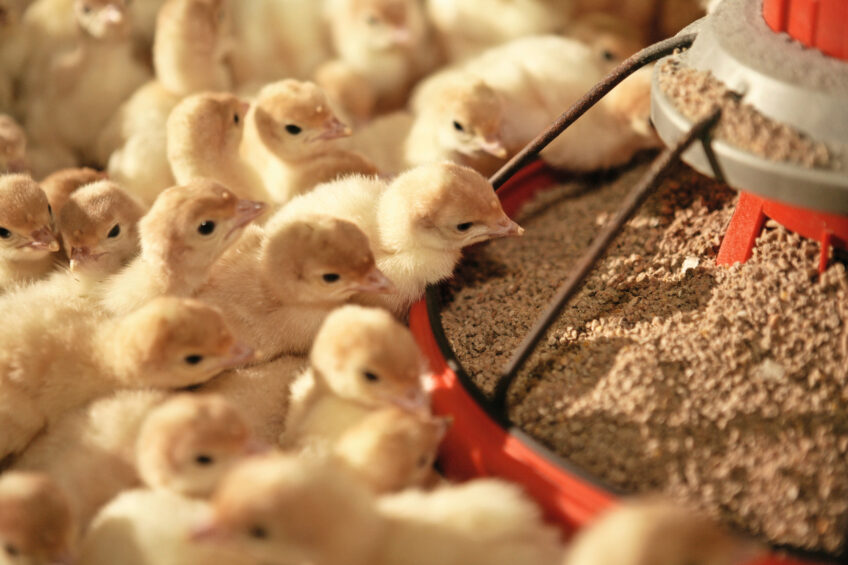
In a landmark move for the UK poultry sector, a new field trial to test highly pathogenic avian influenza (HPAI) vaccines in turkeys has begun in England.
The launch at the beginning of March marks what many in the industry say is a pivotal moment in the long-running battle against a disease that has caused severe disruption to both commercial and backyard flocks for many years.
Turkeys are particularly susceptible to avian influenza
The latest phase of research focuses exclusively on turkeys, a species known for its acute susceptibility to HPAI. Past outbreaks have led to rapid onset of clinical signs and high mortality, leaving producers particularly vulnerable. Annual losses attributed to the virus are estimated to reach up to £174 million, affecting government and industry alike.
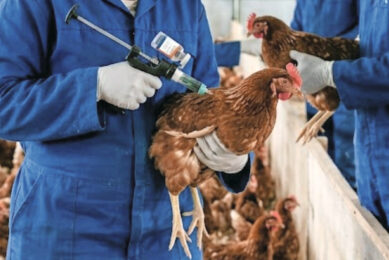
The trial will involve a small number of birds kept under strict supervision and vaccinated using approved UK and EU vaccines. Currently, vaccination against bird flu is not permitted more widely in the UK, making this targeted exercise a critical opportunity to assess how vaccines might be integrated into future control strategies.
Safeguarding biosecurity and food supply
Biosecurity minister Baroness Hayman described the launch as a “significant step forward”. She said the annual toll of the disease on farmers and the wider sector underscored the importance of advancing vaccine science. She added that a successful programme could help safeguard the nation’s biosecurity and food supply.
Chief veterinary officer Christine Middlemiss echoed this optimism, emphasising that stringent biosecurity remains the frontline defence. However, she called the trial “key” to understanding how vaccines could be used as an additional layer of protection, helping to shield flocks more effectively and reduce transmission risks.
The Animal and Plant Health Agency’s Professor Ashley Banyard highlighted the challenges posed by fluctuating disease patterns, which make predicting outbreaks extremely difficult. He said the trial’s findings on immune responses in turkeys will play a vital role in determining whether the vaccines are suitable tools for defending against H5N1.
A 6-month trial alongside research in other countries
The trial is expected to run for 24 weeks, generating essential data for the UK’s HPAI vaccination taskforce. The group previously published a report in July 2025 detailing the opportunities and challenges surrounding vaccination, including the recommendation for this very trial.
Across Europe, similar research is already under way in countries such as Italy and the Netherlands, reflecting the shared impact of avian influenza throughout the region. In England alone, 76 cases have been confirmed since 1 October, with the East of England particularly affected.
“A hopeful turning point”
Mark Gorton, founder of Traditional Norfolk Poultry and leader of the trial, hailed the programme as a “momentous” day for the industry. He said vaccinating day-old poults, followed by a booster, represented a hopeful turning point after years of devastation.
The National Farmers’ Union Poultry board chair, Will Raw, also welcomed the initiative. He stressed that the sector must better understand both the practicalities and the efficacy of on-farm vaccination while maintaining high biosecurity standards and protecting vital export markets.
Vigilance and biosecurity crucial
For now, continued vigilance remains essential. Bird keepers are urged to follow robust biosecurity measures and report any signs of disease. As results from the trial emerge over the coming months, the sector will gain crucial insights into whether vaccination could finally offer a sustainable long-term solution to one of its most persistent challenges.
Máire Burnett, British Poultry Council technical director, said the results will provide practical, real-world evidence on how vaccination could operate in UK production systems, helping to safeguard bird health, protect farm businesses, and strengthen the resilience of the British poultry sector.
“The start of this turkey vaccine trial marks an important milestone for our sector. Highly pathogenic avian influenza has placed enormous strain on producers, and we have been clear that sustainable, science-led solutions must be explored. The British turkey sector has been particularly affected in recent years. This trial will help ensure that any future policy decisions are grounded in robust field evidence and practical delivery considerations,” said Burnett.
Join 31,000+ subscribers
Subscribe to our newsletter to stay updated about all the need-to-know content in the poultry sector, three times a week.