Major spike in avian influenza outbreaks in Germany

Nearly 30 new avian influenza outbreaks have recently been reported in Germany, both on commercial poultry farms and in backyard flocks. This is evident from a new overview from the German national laboratory, the Friedrich-Loeffler-Institut (FLI).

Moreover, the FLI fears that the situation will not improve in the short term. The institute conducts risk assessments of animal disease situations for the German government and estimates the risk of new outbreaks to remain high. Just recently, there were 10 new outbreaks in a single day.
A total of 66 avian influenza outbreaks have now been reported in Germany since the beginning of October. Nearly 1.2 million poultry had to be culled. Many outbreaks are in turkeys, but farms with geese, ducks, laying hens, and broilers have also been affected.
High mortality among cranes
The number of reports of avian influenza in wild birds in Germany has also increased rapidly. Since October 1, more than 400 new infections have been reported in wild birds, over 150 of which occurred in just 1 week. These reports are just the tip of the iceberg. Large numbers of dead cranes are being found in Germany, which appear to be infected with avian influenza.
Major concerns
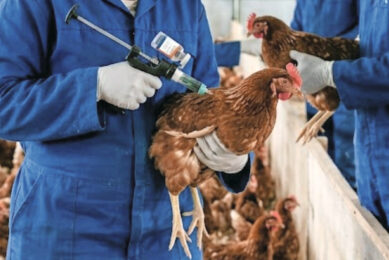
The German government is deeply concerned about the avian influenza situation. During the European Council of Agriculture and Fisheries last week, the country called for strengthening European biosecurity. The European Commission, in response, mentioned vaccination as a possible way forward.
Join 31,000+ subscribers
Subscribe to our newsletter to stay updated about all the need-to-know content in the poultry sector, three times a week.