Identifying new strains of Marek’s disease virus across Indonesia
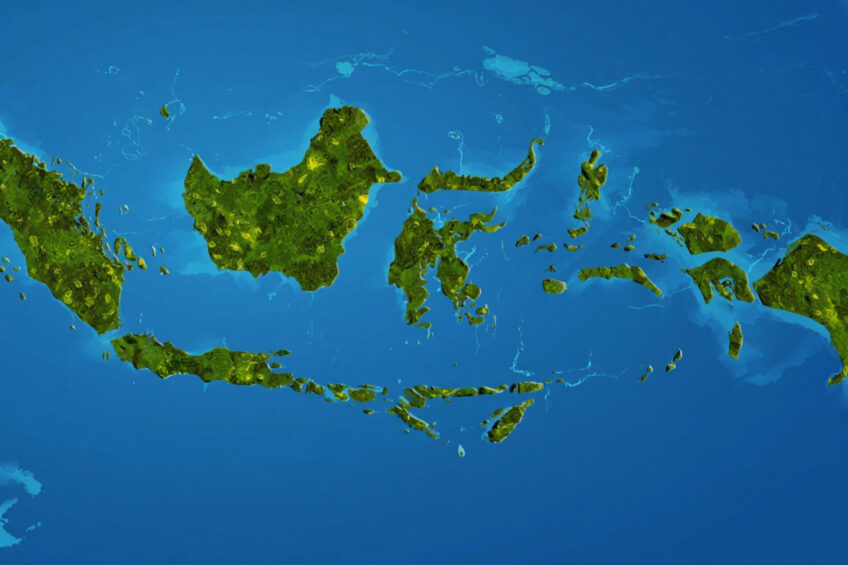
Research is underway to better understand chicken genetic and immune diversity across Indonesian islands and to identify novel strains of Marek’s disease virus.
The British Council project in Indonesia involves the University of Oxford’s professor Adrian Smith and leader of the Avian Genetics research group at The Pirbright Institute, Dr Steve Fiddaman.
Both experts attended the recent 12th International Conference on Sustainable Agriculture and Environment in Bali, where they were invited to present keynote talks and a workshop, bringing together all the scientists and field assistants working on the British Council project.
Over 600 samples collected
At the workshop, the field team provided an update on their sampling efforts. To date, they have collected blood and feather samples from over 600 chickens from smallholding farms in 19 different island locations around Indonesia (15 in Wallacea and 4 in Java).
The blood samples will be processed to generate whole genomes which will be used to understand:
- the ancestry of indigenous chicken populations in Indonesia;
- whether they are likely to suffer from any effects related to inbreeding or small populations, and;
- whether there are any natural disease resistance traits that could improve the health and productivity of chickens in Indonesia and elsewhere in the world.
Understanding the effects of Marek’s disease virus on poultry
Fiddaman said screening is to take place in the UK: “The feather samples will be brought to the UK, where we will screen them for evidence of Marek’s disease virus, as part of our efforts to understand the global distribution of the virus, its virulence, and its effects on poultry farming.”
He emphasised that the move is important to understand the global distribution of Marek’s disease virus, its level of ferocity, and its effects on poultry farming. This process will also help map the pattern of disease spread that has been difficult to detect.

Infectious diseases affecting Indonesian chickens
At the workshop, Dr Smith also provided a training event for the Indonesian team focusing on the infectious diseases affecting Indonesian chickens and the underlying basis of the immune response to these diseases.
The training also included an introduction to the poultry immune system so that researchers can conduct a more in-depth field analysis. On the other hand, the field team has conducted interviews with more than 200 smallholder farmers in various regions. The interviews are exploring the challenges of raising chickens in rural areas, from cage management to the impact of infectious diseases that often hit small farmers.
One of the main goals of this project is to return the results of genetic analysis to farmers so that they can determine the best breed of chickens to raise. The data also helps farmers understand the management of chicken flocks to be healthier and more productive.