Expert group very concerned about avian influenza outbreak in the Netherlands
The Dutch expert group on animal diseases, which advises the Ministry of Agriculture on avian influenza, is “very concerned” about the current state of bird flu in the Netherlands. That is according to Arjan Stegeman, professor of Farm Animal Health at Utrecht University and chair of the expert group. He also warns that the current method used to combat avian influenza is outdated.
Stegeman described the current situation as “serious”. Recent research by the European Food Safety Authority (EFSA) showed that between September and mid-November more than 1,400 cases of the virus were detected among wild birds in 26 EU countries. That is 4 times higher than in the same period last year and the highest number recorded for that period since 2016. Since mid-October, a housing order has been in force in the Netherlands for both farms and hobby keepers.
The weak link
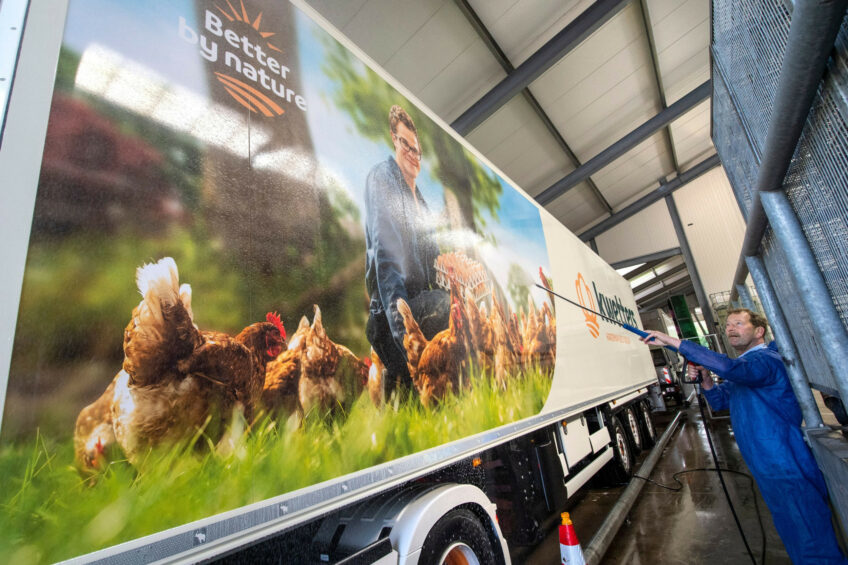
Strict compliance with biosecurity measures at poultry farms – such as cleaning boots and changing clothing – is crucial to tackling avian influenza, according to EFSA. Early detection of infections and the rapid culling of infected farms are also necessary.
According to Stegeman, however, that is precisely where the weak link lies. “This method dates from a time when bird flu was still rare and culling poultry farms ensured the virus disappeared. But now there is constant avian influenza among wild birds, instead of in poultry farms.”
Preventive measures
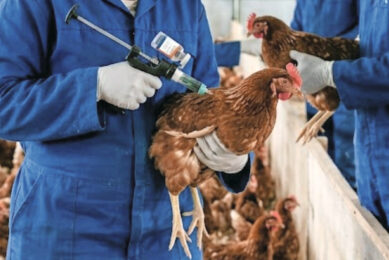
Stegeman advocates preventive measures, including vaccination. Trials are already underway. “We can’t easily vaccinate all chickens at once. There needs to be a preventive schedule in which young chicks receive the vaccine, and possibly again later. Within a year, most laying farms would then be vaccinated,” the professor expects. The first results of the vaccination trial are expected early next year.
“I think everyone is concerned, including the Ministry of Agriculture,” says Stegeman. “In a favourable scenario the virus could die out, because a large share of the population becomes immune due to the high number of infections, but we have seen before that this does not necessarily happen. The only thing we can do now is implement safety measures at poultry farms. A vaccine is something for the longer run.”
Join 31,000+ subscribers
Subscribe to our newsletter to stay updated about all the need-to-know content in the poultry sector, three times a week.