Enhancing broiler performance and sustainability through Avi Prime
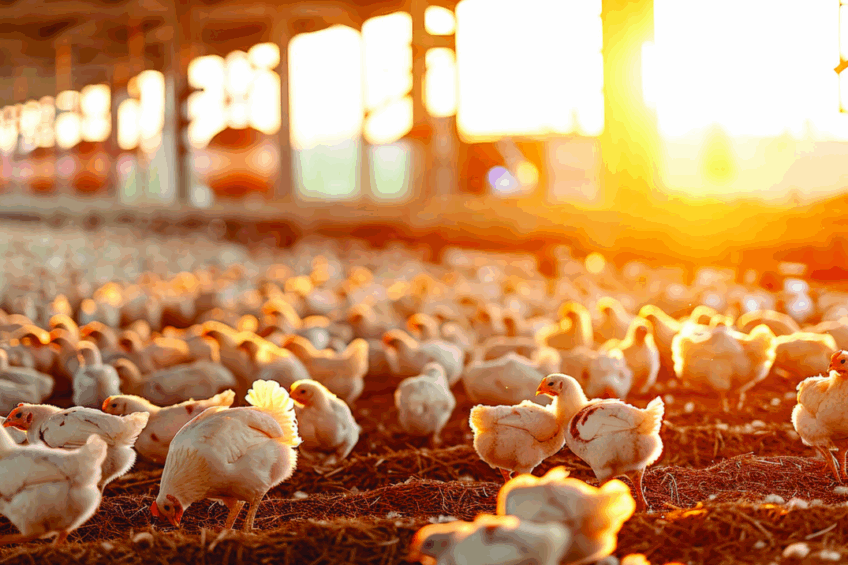
Poultry farms create ideal conditions for microorganisms to thrive because of organic matter, moisture, and warmth. Certain bacteria and viruses persist in farm environments, adapting to various climates, including anaerobic, cold, and hot settings.
In poultry farming, maintaining optimal hygiene standards is critical for ensuring the health and welfare of flocks, improving production outcomes, and reducing environmental impact.
Sustainability in animal production is a growing priority as the industry seeks to balance productivity with environmental stewardship.
The Avi Prime program, developed by CID Lines, an Ecolab Company, offers a complete hygiene program to promote sustainability for poultry farmers by optimising cleaning and disinfection practices in barns and water systems.
Trial design
CID Lines, an Ecolab Company, partnered with Vetworks, a Belgium veterinary services company, to conduct a field trial on 8 broiler farms that aimed to compare the Avi Prime program to current practices on commercial broiler farms.
A total of 799,250 broiler chicks were monitored and distributed across 8 farms located in Belgium. Each farm was divided between a control group (first cycle monitored) and the Avi Prime group (the 2 following cycles of production) during 3 consecutive sanitary stops.
The control group consisted of the original hygiene practices applied and the treatment group consisted of the Avi Prime program, a complete hygiene program for water and barn hygiene.
Environmental samples were obtained from various locations within the poultry barn both post-cleaning and post-disinfection. These samples were subsequently analysed for the presence of Enterococcus spp. In addition, mortality rate, average daily gain (ADG), and final body weight were production parameters assessed at the end of the production cycle.
Avi Prime program delivered improved hygiene standards

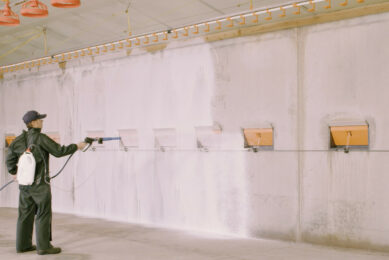
The Avi Prime program is designed to effectively eliminate microorganisms and pathogens from surfaces, ensuring a cleaner and safer environment for poultry. By reducing bacterial contamination, the program supports healthier flocks and minimises the risk of disease outbreaks.
In this trial, Enterococcus spp. was eliminated from surfaces highlighting the efficacy of the cleaning and disinfection process and ensuring an optimal environment to the next production cycle.
Avi Prime enhanced production results
The Avi Prime program reduced the mortality rate by 0.61%, from 2.36% in the control group to 1.75% in the treatment group. Additionally, average daily gain (ADG) increased from 67.80 g in the control group to 69.45 g in the Avi Prime group, while the average end weight of chickens rose by 21 g, from 2,750 kg to 2,771 kg.
These results highlight the ability of Avi Prime program to optimise production outcomes, ensuring better health and growth for the birds. This ends with more animals under the same conditions, which means more sustainable production.
Economic and environmental benefits
The Avi Prime program is not just an investment in hygiene but also a cost-effective solution for producers. Under Belgian production conditions, the program delivered a return on investment of 4.72 compared to previous hygiene practices.
By reducing mortality rates and improving production efficiency, the program helps farmers achieve higher profitability while minimising waste and resource use, contributing to a more sustainable farming model.

Conclusion
The Avi Prime program represents a significant step forward in sustainable poultry farming. By prioritising effective cleaning and disinfection, it ensures healthier flocks, improved production results, and reduced environmental impact.
As the agricultural industry continues to embrace sustainability, solutions like Avi Prime program provide a clear path toward achieving long-term economic and production benefits.
For more information about the Avi Prime program and its sustainable benefits, contact your local CID Lines, an Ecolab Company representative, or visit www.ecolab.com.