Are brown algae polysaccharides a promising antibiotic alternative in chicken feed?
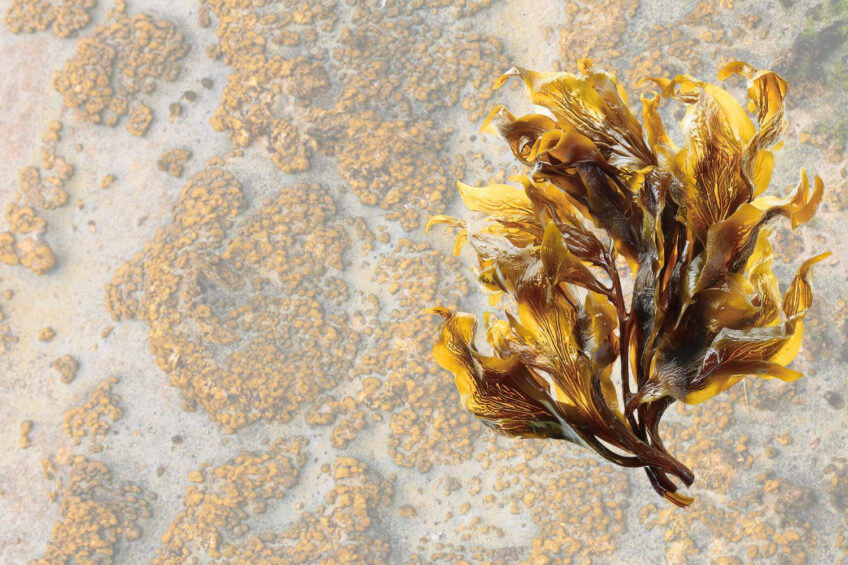
Scientists from St. Petersburg University of Veterinary Medicine have discovered that supplementing chicken feed with fucoidan, a polysaccharide fraction of brown algae, stimulates the immune response and may potentially reduce the need for antibiotics.
The researchers conducted a study on 90 Smena-9 broiler chickens. This crossbreed was developed in Russia to lower the country’s dependence on imported genetics.
Two experimental groups of 30 broilers each were fed 100 g and 200 g per tonne of fucoidan, respectively. During the 35-day study, the researchers analysed the state of phagocytosis – a complex process involving the capture, absorption, and digestion of bacteria, viruses, and other microorganisms by specialised immune cells, known as phagocytes.
A marked enhancement of immune function
In addition, the scientists examined the level of lysozyme – a natural enzyme used in poultry farming to enhance the natural resistance of chickens – as well as the closely followed bactericidal activity of blood serum and the concentration of immunoglobulins A, G, and M.
The results showed that adding 200 g of fucoidan more than doubled phagocytosis, increased lysozyme activity by 26%, and increased serum bactericidal activity by 19% compared to the control group. Each of these developments marks a significant improvement in the immune response, the researchers stated.
The scientists attributed the positive result to the strengthening of the so-called ‘intestinal barrier’, which, as they claimed, is the body’s first line of defense against infection.
Mounting evidence
This is not the first study of the effect of fucoidan in commercial poultry farming in Russia. In 2024, the same group of researchers discovered that this polysaccharide fraction of brown algae of the White Sea can also improve the immunity of laying hens.
During a 60-day trial, phagocytic activity in the experimental group increased by 23%, indicating a higher ability of leukocytes in chickens to absorb foreign bacteria and, consequently, stronger cellular immunity compared to the control group, the scientists said.
“In chickens of the experimental group, there was a tendency towards an increase in the number of erythrocytes, an increase in the color index, a tendency towards a decrease in the number of leukocytes relative to the increase in the control group,” the researchers said.
Based on these findings, the researchers believe that fucoidan from brown algae could be one of the most promising options for developing safe antibiotic alternatives for poultry farming.
Join 31,000+ subscribers
Subscribe to our newsletter to stay updated about all the need-to-know content in the poultry sector, three times a week.