A complex battlefield: Mycotoxins in the GIT
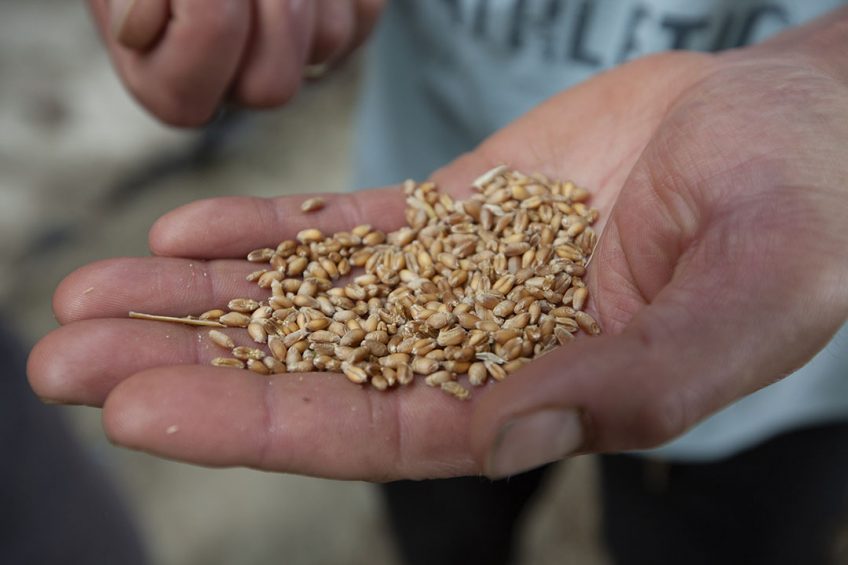
Mycotoxin management has the utmost priority for animal producers worldwide. Most grains are susceptible to mycotoxin contamination. These toxic secondary metabolites are produced by fungi before or after harvest and cause severe economic losses. For livestock, negative consequences include acute effects, such as impaired liver and kidney function, vomiting, or anorexia, as well as chronic effects, such as immunosuppression, growth retardation and reproductive problems. But how is it that myco
Get full access to all stories on Poultry World
This Premium article is exclusively available for subscribers
Obtain insights from exclusive interviews
Dive into articles covering trending industry topics
Get a glimpse into poultry farms worldwide
All the news is brought to you by experienced editors and experts from around the world

Nathalie
Kinsley

Fabian
Brockötter

Tony
McDougal